Posted by Watch Warehouse on May 6, 2026
How are Smartwatches Reshaping the Traditional Watch Industry?
It’s a question that’s been asked for more than a decade now.
How are Smartwatches Reshaping the Traditional Watch Industry?
With notifications on your wrist, heart rate tracking, GPS, payments, messaging, and constant connectivity, it’s easy to assume that mechanical watches are becoming obsolete. After all, if a watch can do everything your phone can do — and more — why would anyone still buy a traditional timepiece?
The answer is more nuanced than headlines suggest.

The Rise of the Smartwatch
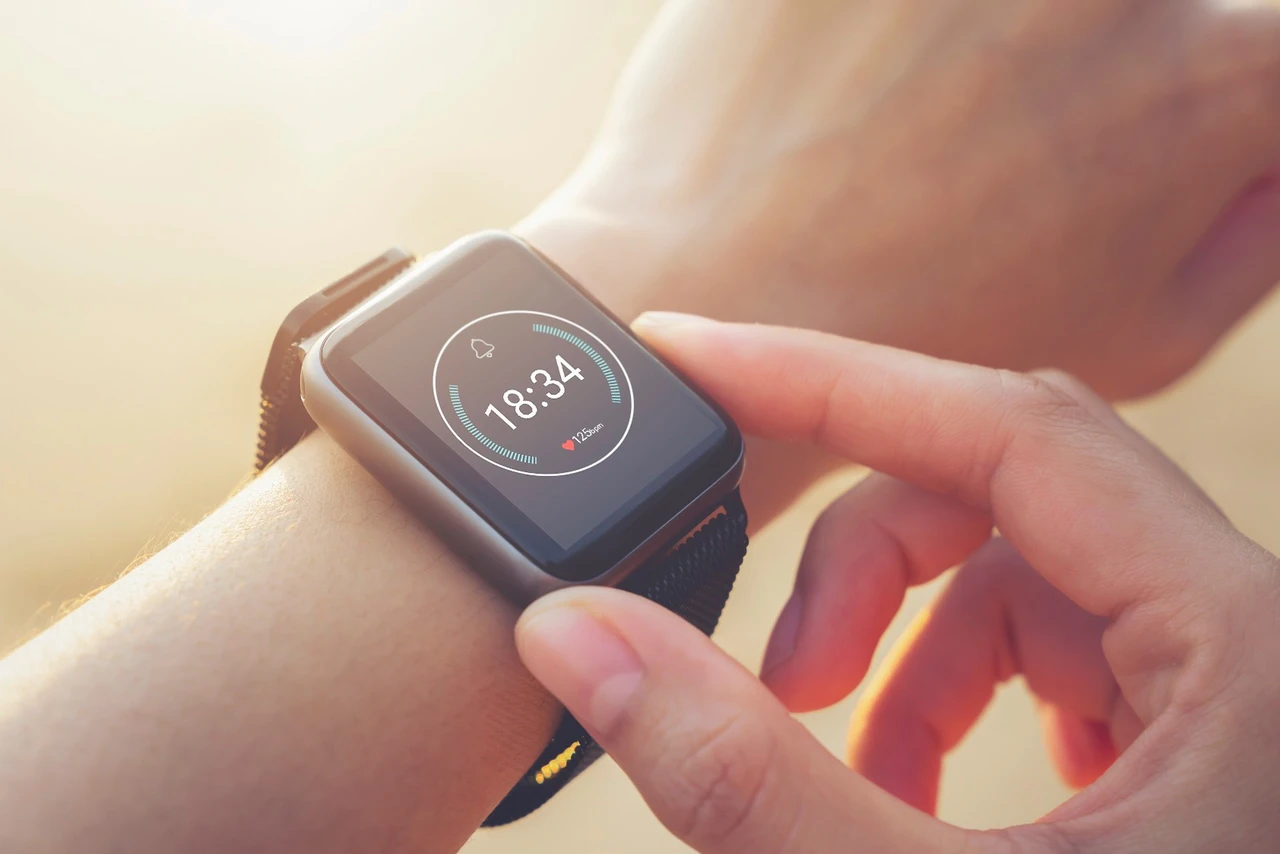
When the modern smartwatch entered the market, it disrupted expectations. Devices like the Apple Watch redefined what people thought a watch could be. Instead of simply telling time, it became an extension of your digital life.
Fitness tracking, sleep monitoring, app notifications, and real-time communication shifted the conversation. For many consumers, especially younger buyers, the smartwatch replaced the need for a basic quartz timepiece.
In the entry-level segment, this had a clear impact. Lower-priced fashion watches and mass-market brands saw pressure as smartwatches absorbed buyers looking for functionality over craftsmanship.
But the luxury watch world operates differently.
A Smartwatch Is a Device. A Mechanical Watch Is an Object.
The smartwatch vs traditional watch debate often misses a key distinction.
A smartwatch is a piece of technology. It is designed to be upgraded, replaced, and eventually discarded. Its lifespan is measured in years, sometimes even less.
A traditional mechanical watch is built to last decades. With proper servicing, it can function for generations. It doesn’t become outdated when a new model is released. It doesn’t depend on software updates. It doesn’t lose relevance when a battery degrades.
This difference changes the equation entirely.
When someone buys a mechanical watch from brands like Omega, TAG Heuer, or Breitling, they are not buying a gadget. They are buying engineering, heritage, and permanence.
Technology evolves. Craftsmanship endures.
The Industry Didn’t Die — It Adjusted
There was a period when analysts predicted the collapse of traditional watchmaking. Instead, something else happened.
The industry clarified its identity.
Lower-tier fashion watches suffered most from smartwatch competition because they were already competing on convenience and style rather than substance. Luxury Swiss watchmakers, however, doubled down on what made them distinct: mechanical expertise, design discipline, and brand heritage.
In fact, the luxury watch market has shown remarkable resilience. While smartwatch sales continue to grow globally, high-end mechanical watch sales have remained strong. The buyer motivations are simply different.
People buy smartwatches for utility.
They buy luxury watches for meaning.
Those are not interchangeable categories.
Emotional Value vs Functional Value
A smartwatch tells you how many steps you took.
A mechanical watch tells you something about yourself.
That may sound abstract, but it’s true. A traditional watch often marks an occasion — a promotion, a milestone birthday, a business achievement, or a personal accomplishment. It becomes part of your identity.
A smartwatch rarely carries that kind of emotional permanence. It’s updated. Replaced. Upgraded.
The future of luxury watches does not depend on competing with digital features. It depends on continuing to offer something technology cannot replicate: tactile engineering, mechanical beauty, and long-term ownership.
Are Mechanical Watches Dying?
The short answer is no.
Mechanical watches are not dying. They are evolving within a clearer niche. Buyers understand exactly what they are choosing.
In many cases, the same person owns both. A smartwatch for the gym or daily notifications. A mechanical watch for work, travel, or occasions where presence matters.
The two categories coexist because they serve different roles.
In fact, as digital fatigue grows, many professionals find themselves reaching for something analog more often. A traditional watch provides separation from constant alerts. It offers simplicity in a world that rarely slows down.
That simplicity has value.
The Long-Term Outlook
If the question is whether smartwatches will replace traditional watches entirely, the evidence suggests otherwise.
Technology cycles are short. Luxury cycles are long.
A smartwatch released five years ago already feels dated. A well-made Swiss mechanical watch released fifty years ago can still feel relevant today.
That durability is not accidental. It is the result of design choices focused on longevity rather than trend.
Luxury watch brands have survived world wars, economic downturns, quartz crises, and now the digital era. They have endured because they adapt without abandoning their core identity.
The future of luxury watches is not about competing with silicon chips. It is about continuing to refine what they have always done well.
So, Are Smartwatches Killing the Traditional Watch Industry?
No. They are reshaping it.
Smartwatches have changed consumer behavior at the lower end of the market. They have replaced casual timekeeping for many people. But they have not eliminated the desire for mechanical craftsmanship, heritage, and objects built to last.
A smartwatch is practical.
A traditional watch is personal.
For buyers who value longevity, engineering, and quiet presence, the traditional watch remains not just relevant — but essential.
WatchWarehouse has been selling 100% authentic luxury watches online for more than 25 years, offering established Swiss brands backed by a minimum two-year guarantee. In a world increasingly driven by upgrades and notifications, the appeal of something built to endure continues to stand apart.
Technology will keep advancing.
Mechanical watches will keep ticking.
And for many, that difference is exactly the point.