Posted by Watch Warehouse on May 27, 2026
How to Spot a Fake Luxury Watch: 7 Expert Authentication Tips
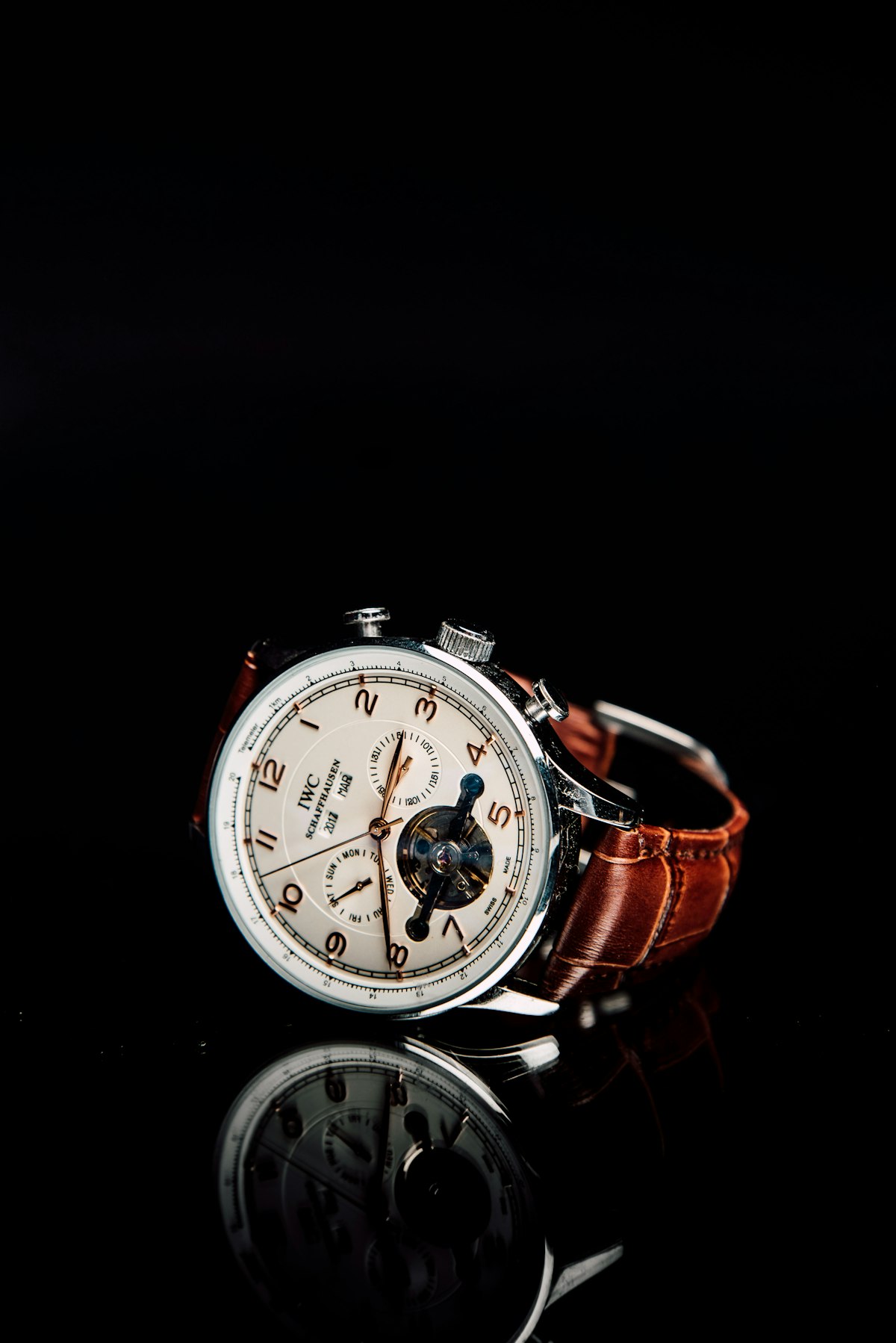
The luxury watch market's growth has unfortunately been matched by an equally sophisticated counterfeit industry. What once might have been easily spotted fake watches with obvious flaws have evolved into remarkably convincing replicas that can fool even seasoned collectors at first glance. Understanding how to authenticate a luxury timepiece has become an essential skill for anyone venturing into this world.
The financial stakes are significant—luxury watches represent substantial investments, often ranging from thousands to hundreds of thousands of dollars. But beyond the monetary concerns, there's something deeply unsettling about discovering that a treasured timepiece, perhaps marking a special occasion or representing years of saving, isn't what you believed it to be. This reality makes developing a keen eye for authenticity not just practical, but essential.
Understanding the Modern Counterfeit Landscape
Today's counterfeit watches operate on multiple quality levels, creating a complex authentication challenge. At the lowest tier, you'll find obvious fakes sold on street corners or suspicious websites—these typically have glaring errors in logos, poor materials, and movements that barely function. The middle tier represents the most dangerous category: watches that look convincing enough to fool casual inspection but reveal their true nature under closer scrutiny.
The highest tier of counterfeits, often called "super clones," present the greatest challenge. These replicas invest heavily in matching authentic materials, movements, and finishing details. Some even replicate serial numbers and documentation, making them particularly insidious. Understanding this landscape helps explain why authentication requires examining multiple elements rather than relying on any single indicator.
Counterfeiters tend to focus on the most popular and valuable brands—Rolex, Omega, Patek Philippe, and Audemars Piguet top the list. However, even mid-tier luxury brands aren't immune. The sophistication varies considerably, but the common thread is the attempt to capitalize on brand recognition and desirability.
Examining Movement and Mechanical Details
The movement represents the heart of any mechanical watch and often provides the most reliable authentication markers. Genuine luxury watches feature movements with specific characteristics that counterfeiters struggle to replicate accurately. Swiss automatic movements, for instance, typically beat at 28,800 vibrations per hour, creating a smooth sweep of the seconds hand rather than the distinct ticking motion of cheaper quartz movements.
However, movement examination goes far deeper than sweep patterns. Authentic luxury movements feature specific finishing techniques, component layouts, and marking details. Omega's Co-Axial movements, for example, include distinctive silicon balance springs and specialized escapement designs that are extremely difficult to counterfeit. The rotor finishing, bridge decorations, and even screw head finishing follow precise standards that vary by manufacturer.
Case back engravings present another crucial checkpoint. Genuine watches feature precisely executed engravings with consistent depth and clean edges. Counterfeit engravings often appear rough, shallow, or inconsistent. Some manufacturers use specific engraving techniques—laser etching versus traditional engraving—that create distinctive visual and tactile characteristics difficult to replicate.
Analyzing Case Construction and Materials
Luxury watch cases undergo extensive engineering and use premium materials that counterfeiters struggle to match cost-effectively. Genuine stainless steel cases, for instance, use specific alloys like 904L steel (Rolex) or 316L steel that provide particular weight, finish characteristics, and corrosion resistance. Authentic cases also feature precise proportions, sharp edges where appropriate, and smooth transitions between surfaces.
Weight often provides an immediate clue—authentic luxury watches have substantial heft due to quality materials and solid construction. However, some sophisticated counterfeits add weights to mimic this characteristic, making weight alone insufficient for authentication. The key lies in understanding how weight distribution feels natural versus artificially augmented.
Crown and pushers deserve special attention, as these components require precise machining and assembly. Genuine crowns screw down smoothly with consistent resistance and align perfectly when fully seated. The crown should feel substantial without excessive play, and any logos or markings should appear crisp and properly positioned. Chronograph pushers, when present, should operate with distinct, positive feedback—never mushy or uncertain.
Dial and Hand Authentication
Watch dials represent some of the most sophisticated manufacturing in horology, requiring precision printing, applied markers, and careful assembly. Authentic dials feature consistent color saturation, sharp printing edges, and properly aligned elements. Luminous materials should glow evenly and maintain consistent color temperature across all applied areas.
Hand finishing and proportions provide excellent authentication markers. Genuine watch hands feature precise shapes with smooth edges and consistent finishing. The hands should clear each other and dial elements without interference, and their proportions should appear balanced for the case size. Counterfeit hands often appear crude in comparison, with rough edges, inconsistent finishing, or improper proportions.
Date windows and magnification lenses require particular scrutiny. Rolex's famous cyclops lens, for example, provides 2.5x magnification with specific optical characteristics that counterfeiters struggle to replicate precisely. The date should appear sharp and properly centered, with consistent font characteristics matching the manufacturer's specifications.
Documentation and Packaging Verification
Authentic luxury watches come with sophisticated documentation packages that counterfeiters find expensive and technically challenging to replicate. Genuine warranty cards feature specific paper types, printing techniques, and security elements like holograms or special inks. The information should align perfectly with the watch's serial numbers and model references.
Original boxes undergo careful design and construction using quality materials. Authentic packaging feels substantial, features precise cuts and joints, and includes proper foam or fabric inserts designed specifically for the watch model. The printing quality, logo placement, and color accuracy should meet luxury standards throughout.
Instruction manuals provide another authentication layer. Genuine manuals feature high-quality printing, accurate technical information, and comprehensive photography. Counterfeit manuals often contain grammatical errors, poor-quality images, or incorrect technical specifications that betray their origins.
Professional Authentication and Expert Resources
While developing personal authentication skills proves valuable, certain situations require professional expertise. Complex vintage pieces, watches with unusual provenance, or high-value acquisitions benefit from certified authenticator examination. Many manufacturers also provide authentication services, though these typically require shipping the watch to authorized service centers.
Authorized dealers offer perhaps the most reliable authentication resource, combining manufacturer training with hands-on experience handling authentic pieces. These professionals encounter both genuine and counterfeit watches regularly, developing nuanced understanding of subtle differences that distinguish authentic pieces from even sophisticated replicas.
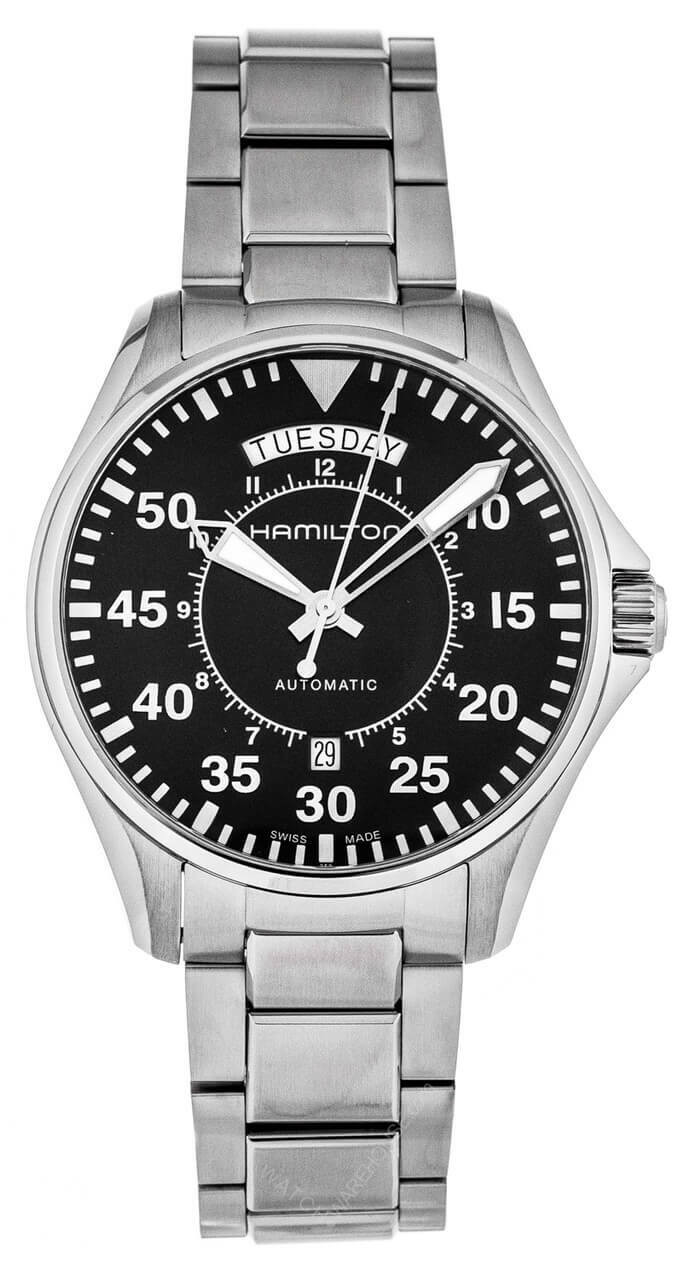
Hamilton watches
HAMILTON Khaki Aviation Pilot Day Date Automatic Men's Watch H64615135
Building relationships with knowledgeable dealers and collectors provides ongoing education opportunities. Understanding authentication requires continuous learning as counterfeiting techniques evolve alongside legitimate manufacturing. Experienced professionals often share insights about emerging trends, new authentication markers, and subtle details that distinguish genuine pieces.
Practical Authentication Strategies
Developing a systematic authentication approach proves more reliable than random inspection. Start with obvious elements—overall appearance, weight, and basic functionality—before progressing to detailed examination. Take time to research specific model characteristics beforehand, understanding normal variations versus suspicious deviations.
Photography serves as a valuable authentication tool, allowing detailed comparison with known authentic examples. High-quality macro photography can reveal finishing details, text clarity, and component quality that might escape casual observation. Online databases and manufacturer resources provide reference materials for comparison purposes.
Trust your instincts when something feels wrong, even if you cannot immediately identify specific issues. Experienced collectors often report gut feelings that prove accurate upon detailed examination. If possible, compare suspect pieces directly with known authentic examples, as side-by-side examination often reveals subtle differences that individual inspection might miss.
Authentication skills develop through experience and education, but the investment proves worthwhile for anyone serious about luxury watches. Whether you're building a collection, making a significant purchase, or simply appreciate horological craftsmanship, understanding authenticity markers protects both your investment and enjoyment. Working with established dealers like Watch Warehouse, with their decades of experience and manufacturer relationships, provides additional confidence when acquiring luxury timepieces. Remember that authentication combines technical knowledge with practical experience—continue learning, stay updated on evolving techniques, and don't hesitate to seek expert guidance when uncertainty arises.
Featured Watches to Consider
Here are some examples from the Watch Warehouse collection that illustrate the points discussed above:
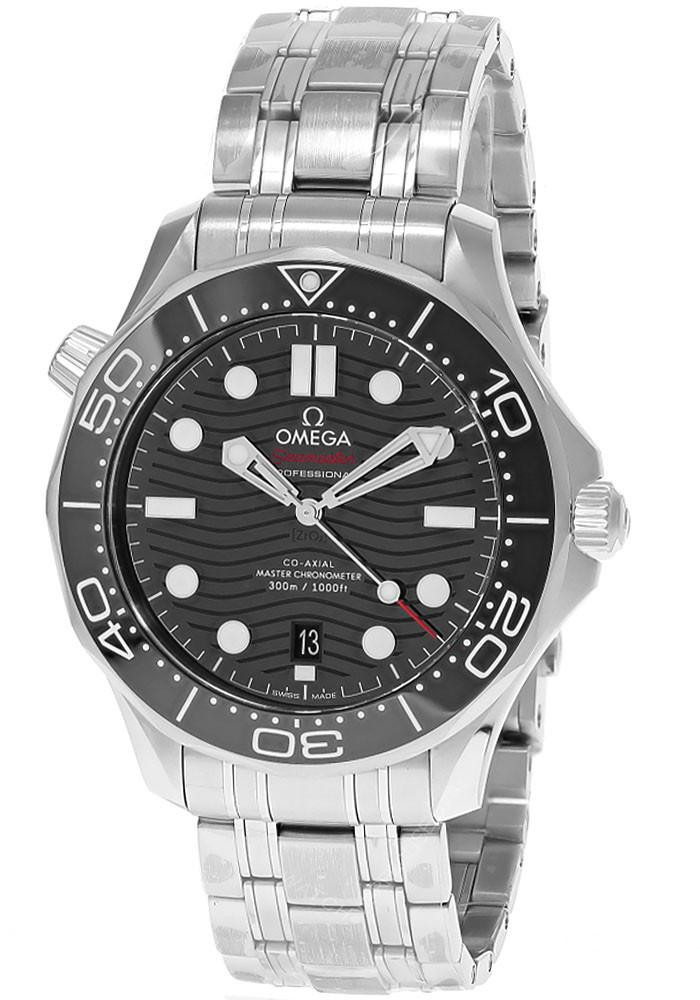

Hamilton watches