Posted by Watch Warehouse on Aug 12, 2026
How to Spot a Fake Luxury Watch: An Authentication Guide
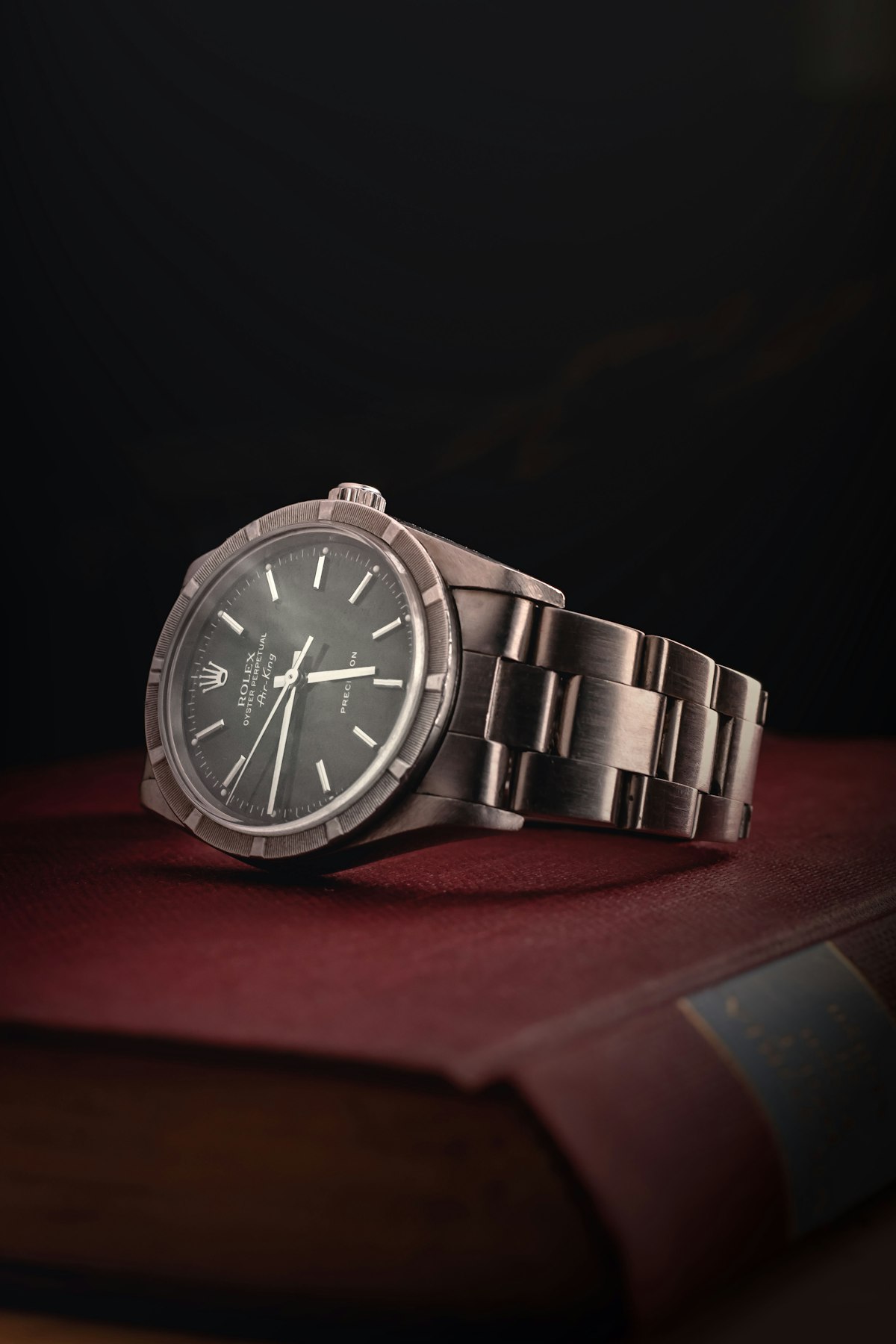
Here's a question worth pondering: if a counterfeit watch has become good enough to fool casual observers, does the ability to spot a fake even matter anymore? The answer, emphatically, is yes—but the reasons why have evolved. Today's counterfeits fall into two broad categories. There are the crude fakes you'll find on a street corner, and then there are the so-called "superclones" that can cost hundreds of dollars and require a trained eye to identify. Understanding how to spot a fake watch is no longer just about avoiding embarrassment; it's about protecting a meaningful financial investment and understanding the craftsmanship that separates the genuine from the imitation.
Over the years, we've handled thousands of authentic timepieces and, unfortunately, examined our fair share of convincing forgeries. What follows is an honest, practical guide to counterfeit watch detection—not a set of magic tricks, but a way of thinking about authenticity that will serve you whether you're buying your first luxury watch or your fifteenth.
Why Do Counterfeits Fool So Many People?
The uncomfortable truth is that counterfeiters have gotten remarkably sophisticated. Two decades ago, spotting a fake was often trivial—misspelled brand names, ticking quartz movements in watches that should have swept smoothly, laughably wrong proportions. Today, the best forgeries replicate weight, dial printing, and even movement decoration with surprising accuracy. This is precisely why relying on a single "gotcha" test is a mistake.
Authentication is not about finding one flaw. It's about assembling evidence. A genuine luxury watch is the sum of thousands of tiny decisions made by skilled craftspeople, and reproducing every single one of those details perfectly is extraordinarily difficult and expensive. The counterfeiter's goal is to get "close enough" to fool most people. Your goal is to look closely enough that "close enough" isn't good enough. When you approach a watch with this mindset, you stop hunting for one obvious error and start evaluating the whole object.
What Does the Dial and Printing Reveal?
The dial is often where counterfeiters betray themselves, because precision printing at microscopic scale is genuinely hard to fake. On an authentic luxury watch, every printed element—the logo, the text, the minute track—is razor sharp under magnification. Look for crisp edges, perfectly even spacing, and consistent font weight. Fakes frequently show slightly fuzzy printing, ink that appears to sit on top of the dial rather than integrated into it, or lettering that's marginally too thick or thin.
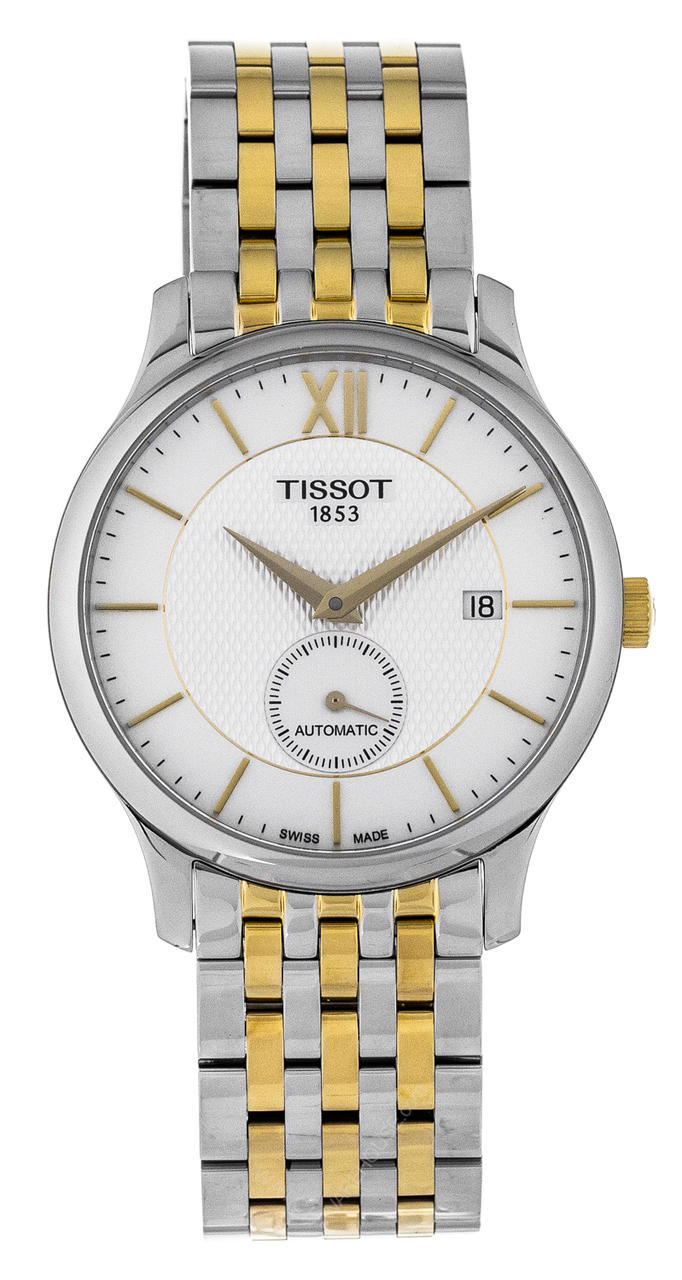
Applied elements are another telling detail. Genuine markers and logos are often individually applied and secured with tiny pins, giving them dimension and perfectly flush seating. Counterfeits sometimes use printed markers masquerading as applied ones, or applied elements that sit slightly crooked. Consider a watch like the Tissot Tradition, where the elegant simplicity of the dial leaves nowhere to hide sloppy work—clean guilloché patterning, evenly applied indices, and precise date alignment are all things a careful eye can verify.
A useful habit is to compare the watch in front of you against high-resolution official images from the manufacturer. Note the exact position of the date window, the length of the hands relative to the markers, and the placement of text. Counterfeiters often work from photographs and get these relationships subtly wrong—a date that sits too far from the edge, hands that are a hair too short, a logo positioned a fraction of a millimeter off center.
How Much Can the Movement Tell You?
If the dial is where fakes often stumble, the movement is where they frequently collapse entirely. The mechanical heart of a luxury watch represents the most technically demanding and expensive component to replicate, which is why examining it—when possible—is one of the most reliable authentication methods available.
Start with behavior you can observe without opening the case. A genuine mechanical watch has a seconds hand that sweeps in smooth, tiny increments, not the single tick-per-second motion of a cheap quartz movement. Many older fakes used quartz movements inside cases meant to house automatics, and this remains a giveaway. Listen, too: a mechanical watch produces a quiet, refined ticking, while some fakes are conspicuously loud or rattly.
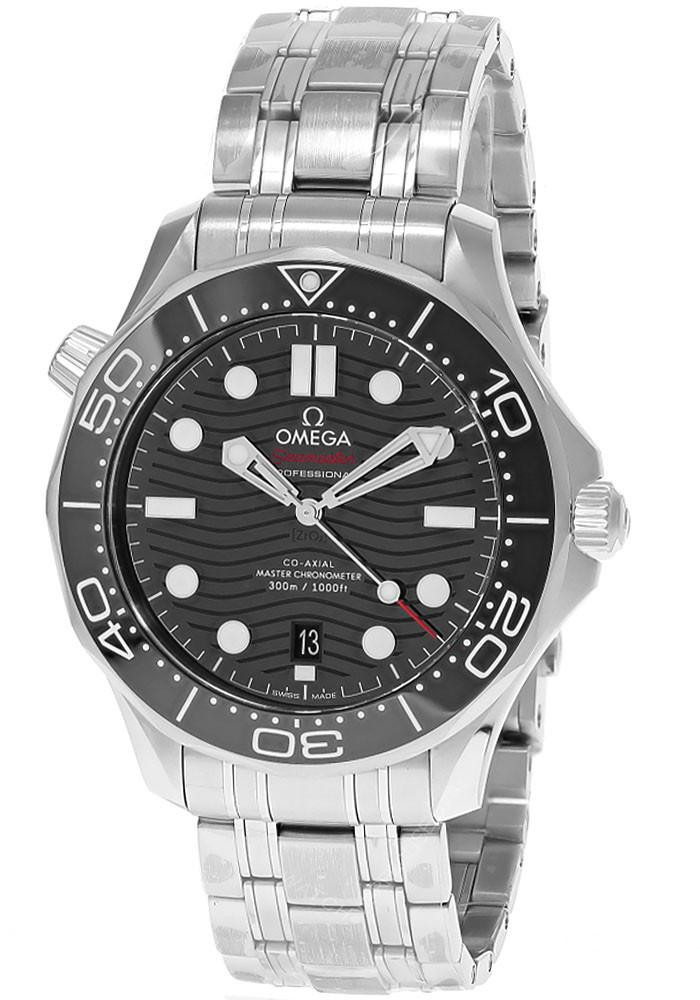
For watches with display case backs, the movement is on full view, and this is where authentication becomes far more definitive. Consider the Omega Seamaster, which houses Omega's Master Chronometer movement—a mechanism finished and regulated to standards that counterfeiters simply cannot match at any reasonable cost. Genuine Omega movements display precise engraving, consistent decoration, and correctly branded components. A fake will often reveal an undecorated or crudely finished movement, mismatched fonts on the rotor, or a generic mechanism dressed up to imitate the real thing.
Of course, most buyers can't and shouldn't open a case themselves—doing so improperly can damage the watch and void warranties. This is where a trusted watchmaker or authorized dealer becomes invaluable. A professional can open the case safely, verify the movement's caliber number against the reference, and confirm the finishing meets factory standards. When the stakes are in the thousands of dollars, that professional inspection is a small, worthwhile step.
What About Weight, Materials, and Finishing?
Pick up a genuine luxury watch and it announces itself through the hands. Fine watches use solid stainless steel, precious metals, sapphire crystals, and quality bracelets that lend a substantial, reassuring heft. Counterfeits often cut corners on materials to preserve profit margins, resulting in a watch that feels noticeably lighter or, occasionally, oddly heavy from cheap alloys used to fake the weight of premium metals.
The tactile experience extends to how the watch is finished. Run your eye along the case edges and lug lines. Authentic watches show crisp, deliberate transitions between brushed and polished surfaces, with no rough edges, no visible tooling marks, and no gaps where components meet. The crown should thread smoothly, the bezel should click with even, confident precision, and the bracelet clasp should engage with a solid, satisfying action rather than a flimsy snap.
Sapphire crystal is worth special attention. Genuine luxury watches use sapphire, which is extraordinarily scratch-resistant and typically features anti-reflective coating that gives the dial a slightly bluish tint at certain angles. Many fakes use mineral glass or even acrylic, which scratches easily and reflects light differently. A watch like the TAG Heuer Formula 1, with its sunray dial and precisely finished case, showcases the kind of material quality and finishing consistency that becomes obvious once you've handled the genuine article—and conspicuously absent in imitations.

TAG Heuer Watches
TAG HEUER Formula-1 41MM Blue Sunray Dial Men's Watch WAZ1118.BA0875
One caveat worth mentioning: weight and feel are useful indicators but not conclusive on their own. The best superclones have gotten heavier and better finished specifically because enthusiasts learned to check these things. Treat material quality as one important data point among several, not as a final verdict.
How Do Serial Numbers and Documentation Fit In?
Every genuine luxury watch carries identifying marks—serial and reference numbers engraved with precision, typically on the case back, between the lugs, or on the movement. These engravings should be crisp and cleanly cut, never shallow, uneven, or acid-etched in appearance. Counterfeiters do reproduce these numbers, sometimes even copying legitimate ones from real watches, so the presence of a serial number proves little on its own. What matters is the quality of the engraving and whether the number corresponds correctly to the model, production period, and other details.
Documentation deserves honest perspective. A warranty card, box, and papers add confidence and value, but they can be forged or transferred between watches just as easily as the timepiece itself. A complete "full set" is desirable, yet paperwork should support your assessment of the watch, never replace it. We've seen genuine watches with no papers and convincing fakes accompanied by beautifully forged documentation. The watch itself always tells the most reliable story.
This is ultimately why provenance—where the watch comes from—matters more than any single physical test. A watch purchased from an authorized dealer or a reputable seller with a verifiable history carries a fundamentally different level of assurance than one bought from an anonymous online listing at a suspiciously attractive price. If a deal seems too good to be true, that instinct is usually correct.
The Most Reliable Protection of All
After all these techniques—the dial scrutiny, the movement inspection, the weight assessment, the serial number verification—the single most effective way to guarantee authenticity remains disarmingly simple: buy from a trusted, established source. Every authentication skill in this guide is genuinely useful, and developing your eye will make you a more informed and confident collector. But even seasoned experts occasionally encounter fakes sophisticated enough to give them pause, and the average buyer shouldn't stake thousands of dollars on their ability to out-inspect a professional counterfeiter.
At Watch Warehouse, our 25-plus years as an authorized dealer mean every timepiece we sell is guaranteed authentic, arriving with the confidence that comes from a properly sourced supply chain. That peace of mind is, frankly, the entire point of buying luxury in the first place—you should be able to enjoy the craftsmanship, the heritage, and the pleasure of a fine watch without a nagging question about whether it's real.
So learn to read a dial, appreciate a well-finished movement, and understand what quality materials feel like on the wrist. That knowledge will deepen your enjoyment of watches enormously. Just pair it with the wisdom to buy from people who stand behind what they sell. The combination of an educated eye and a trusted source is, and always has been, the most reliable defense against counterfeits.
Featured Watches to Consider
Here are some examples from the Watch Warehouse collection that illustrate the points discussed above:
TAG Heuer Watches