Posted by Watch Warehouse on Jul 1, 2026
Iconic Watch Designs: How History Shaped Timeless Classics
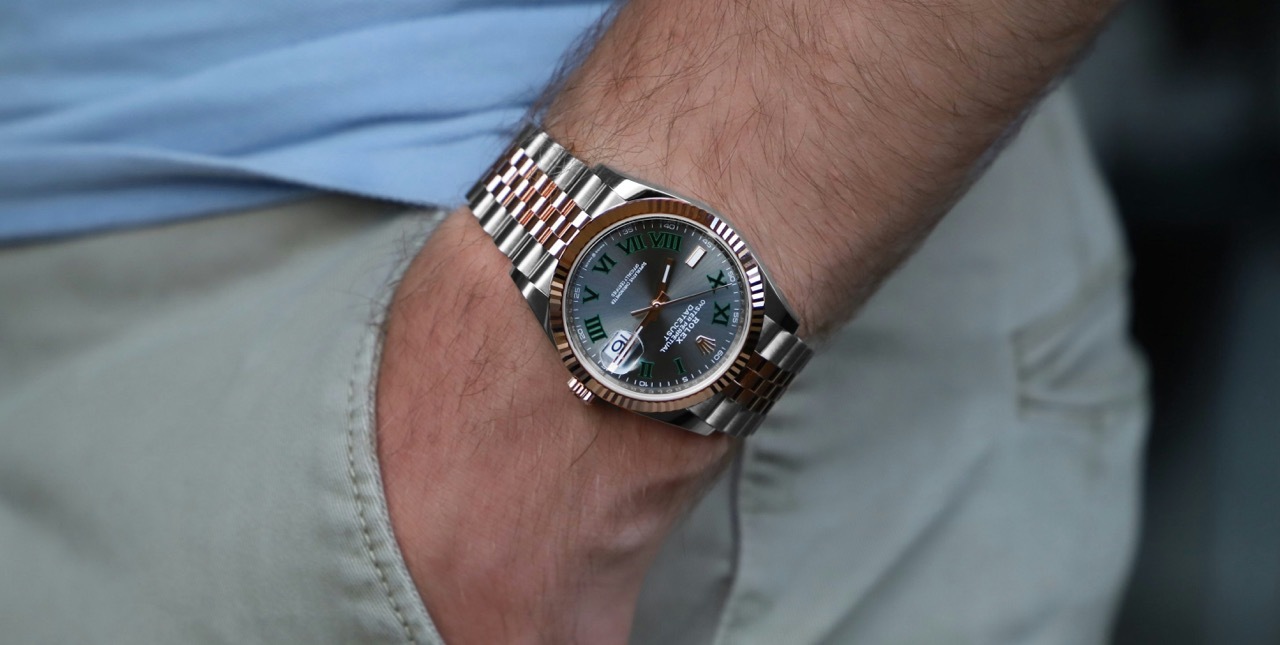
Have you ever wondered why certain watches look instantly familiar, even to people who have never worn a mechanical timepiece? Why a dive watch reads as a dive watch at a glance, or why a pilot's watch feels rugged and purposeful before you know a single specification? The answer lies in decades of design evolution, where form followed function so faithfully that the resulting shapes became a shared visual language. These are the designs we now call iconic, and understanding how they came to be tells us a great deal about the history of the twentieth century itself.
Watch design rarely happened in a vacuum. The most enduring styles emerged from real needs, whether the demands of military aviation, the pressures of deep-sea exploration, or the practical concerns of a working professional who needed to read the time in the dark. When you learn the stories behind these famous watch designs, you begin to appreciate that what looks like pure aesthetics is often the residue of solving a genuine problem elegantly.
Why Do Certain Watch Designs Endure for Decades?
The watches that survive across generations share a quiet trait: they were designed to do a job, and they did it so well that changing them felt like breaking something that worked. Consider the humble dive watch. Its unidirectional rotating bezel, luminous markers, and high-contrast dial were not chosen for looks. They were engineering answers to the question of how a diver could track elapsed time underwater without ambiguity, where a mistake could cost a life. The rotating bezel could only turn one way, ensuring that if it was accidentally knocked, it would show less remaining air rather than more.
Once a design solves its problem convincingly, it earns a kind of authority. People trust it. Manufacturers hesitate to alter what has proven itself, and so the design settles into permanence. This is why so many classic watch styles feel timeless rather than dated. They were never chasing fashion in the first place, and anything that never chased trends cannot really fall out of them.
The Dive Watch: Form Born from the Sea
The modern dive watch took shape in the early 1950s, when the growing popularity of recreational scuba diving created demand for a reliable underwater instrument. Water resistance, legibility, and a way to measure elapsed time became the three pillars of the category. What is remarkable is how little the fundamental recipe has changed since. A well-made dive watch from today shares its essential DNA with those early pioneers, a testament to how right the original thinking was.
Part of the dive watch's cultural staying power comes from its versatility. A robust steel case, a legible dial, and a sturdy bracelet turned out to be just as useful in an office or at a dinner as they were beneath the waves. This dual identity, equally at home in rugged and refined settings, made the dive watch one of the most popular categories of iconic watches ever produced. The Gucci Dive is an interesting example of how this diving heritage has been interpreted through the lens of a fashion house, keeping the rotating bezel and matte dial legibility while adding a distinctive contemporary character.

Gucci watches
GUCCI Dive 45MM SS BLK Matte Dial Rotating Bezel Men's Watch YA136208A
When evaluating a dive watch today, it helps to ask what you actually want from it. If you dive, water resistance and a screw-down crown matter enormously. If you simply love the look, you have far more freedom to prioritize proportions, dial color, and how the watch wears on your wrist. Neither approach is wrong, but knowing which camp you fall into will save you from paying for capabilities you will never use, or from being disappointed by a watch that looks the part but was never built for the depths.
The Seamaster and the Weight of Legacy
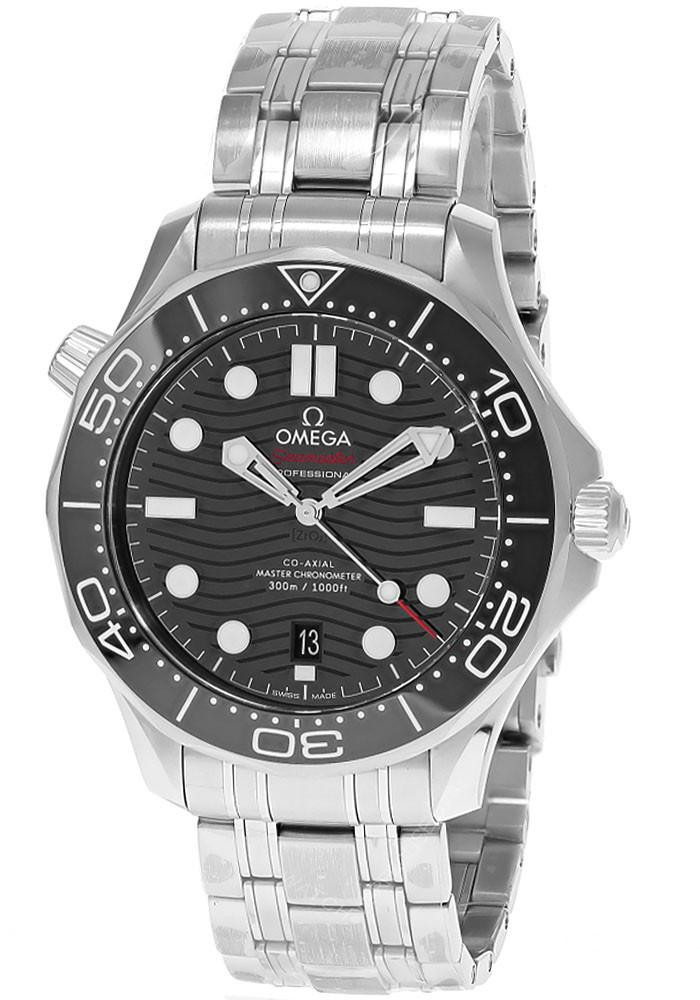
Few names carry as much history in the diving world as Omega's Seamaster. Introduced in 1948, the line predates the recreational diving boom and grew alongside it, eventually becoming one of the most recognized dive watch families in existence. The Seamaster's enduring appeal comes not only from its capable engineering but from decades of association with exploration, achievement, and a certain unfussy sophistication. It manages to be a serious tool and a refined dress companion at once.
What makes a watch like the Seamaster worth studying is the way it balances heritage with modern watchmaking. The current models carry co-axial movements and impressive resistance to magnetic fields, advances that would have astonished the watch's original designers, yet the visual identity remains unmistakably continuous. This is the mark of thoughtful design stewardship, updating what needs updating while protecting the character that made people fall in love with the watch in the first place.
There is a lesson here for anyone building a watch collection. A design with genuine history tends to hold its relevance because it is anchored to something larger than a single season's tastes. That said, heritage should never be the only reason you buy. The best purchases happen when a storied design also happens to suit your wrist, your lifestyle, and your eye. History is the seasoning, not the meal.
The Pilot's Watch: Legibility Above All
If the dive watch was shaped by water, the pilot's watch was shaped by the sky. Early aviators needed to read the time instantly, often in poor light and while managing a demanding cockpit, so pilot's watches evolved toward oversized numerals, high contrast, and clean, uncluttered dials. Many featured large crowns that could be operated while wearing gloves, a small detail that reveals just how directly the design responded to the working conditions of flight.
The aviation aesthetic has aged beautifully because legibility never goes out of style. A watch that is easy to read is a pleasure to live with, whether or not you ever set foot in a cockpit. Hamilton, a brand with genuine aviation heritage stretching back to the early days of commercial flight, continues this tradition thoughtfully. The Khaki Aviation X-Wind, with its bold dial and purposeful presence, carries forward the essential virtues of the category while offering features that speak to the brand's connection with real pilots.
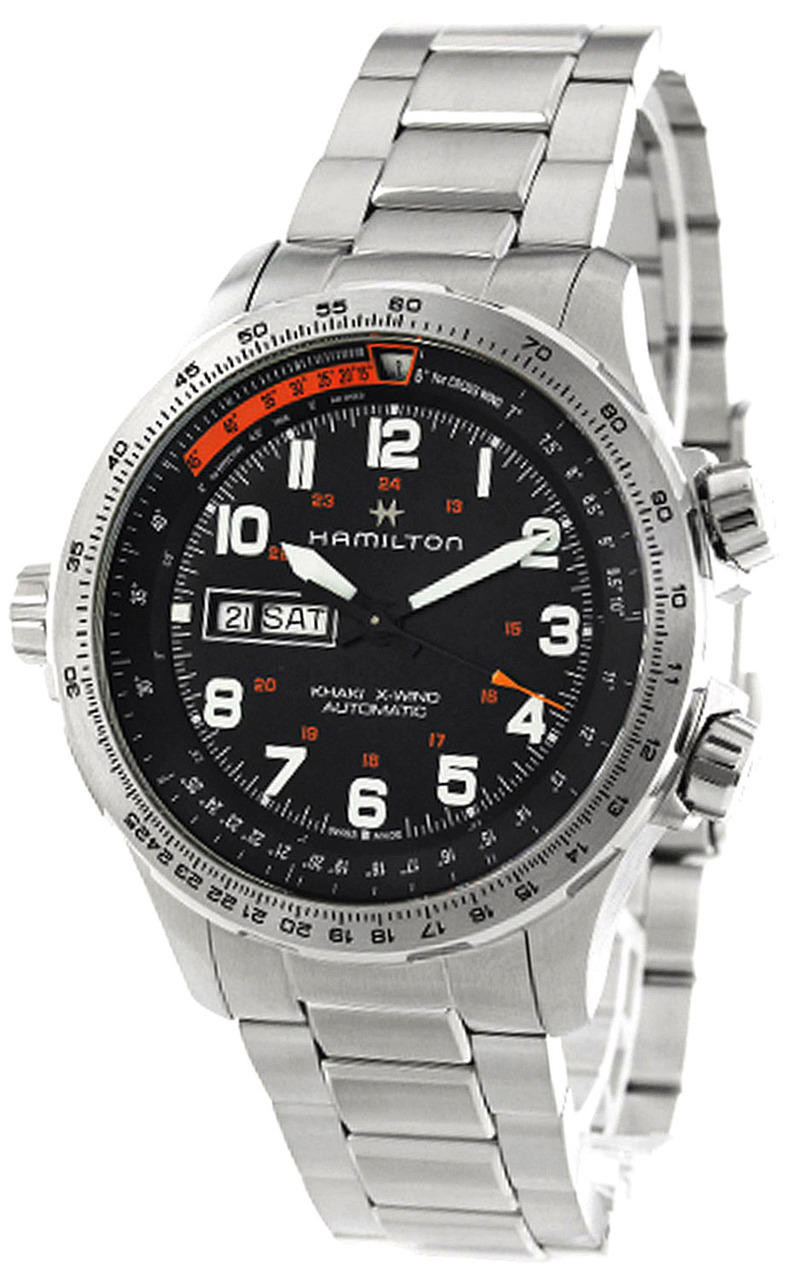
One thing worth noting about pilot's watches is that they tend to wear larger than their millimeter measurements suggest, because legibility often demands a generous dial and case. If you have a smaller wrist, it is worth trying a pilot-style watch on before committing, or at least understanding how the lug-to-lug measurement affects fit. A watch designed for maximum readability can feel imposing, and that boldness is either exactly what you want or slightly more than you bargained for.
The Dress Watch and the Chronograph: Two Other Pillars
Beyond dive and pilot watches, two other design families deserve mention in any honest discussion of iconic watches. The dress watch pursues the opposite philosophy of the tool watch, stripping away complications and thickness in favor of elegance, thinness, and quiet refinement. Its defining virtue is restraint, the ability to slip under a shirt cuff and speak softly rather than shout. The best dress watches age with a grace that flashier pieces struggle to match, precisely because they never relied on novelty.
The chronograph, meanwhile, added the ability to measure elapsed time with pushers and subdials, a feature that found homes in racing, aviation, and scientific pursuits. Its busier dial layout became iconic in its own right, associated with motorsport glamour and technical achievement. Together with dive and pilot watches, these categories form the backbone of what most people picture when they think of classic watch styles, and nearly every modern design owes something to one of these archetypes.
How to Apply This Knowledge When Choosing a Watch
Understanding the history behind famous watch designs is not merely academic. It genuinely helps you make better decisions. When you know why a dive bezel turns only one direction, or why a pilot's dial favors bold numerals, you can judge whether a given watch honors those principles or merely imitates their appearance. This distinction separates thoughtful design from superficial styling, and it will guide you toward pieces that feel coherent and considered.
Practically speaking, the best approach is to start with how you actually live. A watch built for a purpose you value will always feel more meaningful than one chosen purely for status. If you love the water, a dive watch will resonate. If you appreciate clarity and boldness, aviation designs may call to you. If quiet elegance suits your world, a dress watch will serve you for decades. The design language exists to help you find the right fit, not to trap you in a hierarchy of prestige.
At Watch Warehouse, we have spent more than twenty-five years helping people navigate these decisions, and the pattern we see again and again is that the happiest owners are the ones who understood what they wanted before they bought. Knowledge, more than budget, tends to determine satisfaction. The more you learn about why these designs exist, the more confident and content your eventual choice becomes.
Iconic watch designs endure because they were honest answers to real questions, refined over decades until they became part of our shared visual vocabulary. Whether you are drawn to the sea, the sky, or the understated elegance of a dress piece, there is a rich history waiting behind whatever catches your eye. Taking the time to understand that history is one of the great pleasures of this hobby, and it transforms a simple purchase into the beginning of a genuine appreciation.
Featured Watches to Consider
Here are some examples from the Watch Warehouse collection that illustrate the points discussed above:
Gucci watches