Posted by Watch Warehouse on Oct 14, 2026
Investment Watches Explained: Which Timepieces Appreciate and Why
If you've spent any time reading watch forums or watching collector videos online, you've probably encountered a seductive idea: that buying a luxury watch is really just a clever form of investing. The story goes that while a new car loses value the moment you drive it off the lot, a fine timepiece might actually appreciate, becoming more valuable with each passing year. It's a compelling narrative, and like most compelling narratives, it contains both truth and oversimplification.
The honest answer to whether luxury watches hold their value is: some do, most don't, and the ones that appreciate dramatically are a tiny sliver of the market that attracts enormous attention precisely because they're exceptional. Understanding which category a watch falls into—and why—can save you from disappointment and help you buy with clear eyes about what you're actually getting.
What Does It Actually Mean for a Watch to "Hold Value"?
Before diving into specifics, it's worth clarifying what we're really asking. When people talk about watches as investment, they often conflate several different outcomes. There's the watch that appreciates significantly above retail—the headline-grabbing Rolex or Patek Philippe. There's the watch that holds a strong percentage of its retail price on the secondhand market. And there's the watch that depreciates like most consumer goods but retains some resale value.
These are fundamentally different scenarios, and the vast majority of luxury watches fall into that third category. A watch that sells for $5,000 new and fetches $2,500 on the used market after a few years hasn't "held its value" in any investment sense—it's simply depreciated more gracefully than a smartphone or a pair of designer shoes. That's not a failure; it's the normal behavior of a durable luxury good. The expectation of appreciation is the exception, not the rule.
Once you internalize this, you can approach watch buying with the right frame of mind. You're not day-trading on your wrist. You're buying an object you'll wear and enjoy, with the secondary comfort that, should you ever sell, you'll likely recover a meaningful portion of what you spent.
Why a Few Watches Appreciate—and Most Don't
The watches that genuinely appreciate share a predictable set of characteristics, and understanding them demystifies the whole phenomenon. The first factor is scarcity relative to demand. When a manufacturer produces far fewer watches than people want—whether by deliberate restriction or genuine production limits—the secondary market becomes the only place to get one, and prices rise accordingly. This is the engine behind the famous steel sports models from brands like Rolex, Patek Philippe, and Audemars Piguet.
The second factor is brand heritage and consistency. Brands that have maintained their identity, quality, and desirability over decades build a kind of collective confidence that supports resale values. A buyer paying a premium today trusts that the brand will still be coveted in ten years. The third factor is design iconicity—models that have remained visually consistent for generations become cultural touchstones, and that recognition translates into enduring demand.
What this means in practice is that the appreciating watches tend to come from a handful of brands, in a handful of models, often in specific configurations. For everything outside that narrow band—which is to say, the overwhelming majority of the market—the normal rules of depreciation apply. This isn't a knock against those watches. Many of the finest timepieces in terms of craftsmanship, finishing, and sheer wearability will never appreciate, and buying them with investment hopes is a recipe for frustration.
The Accessible Luxury Reality
Let's talk honestly about watches in the more accessible price ranges, because this is where most people actually shop and where the investment mythology causes the most confusion. A well-made Swiss watch from a respected brand under $2,000 is a wonderful thing to own, but it is almost never an appreciating asset. Consider something like the TAG Heuer Formula 1 chronograph—a handsome, sporty, genuinely capable watch with real motorsport heritage behind the name.

A watch like this will depreciate on the secondary market, and that's perfectly fine, because its value proposition was never about appreciation. It was about owning a well-engineered Swiss chronograph from a storied brand at a price that doesn't require financial gymnastics. The joy comes from wearing it, not from checking auction results. If you buy at a sensible price from an authorized source, you'll get years of enjoyment and recover a reasonable portion if you ever decide to move on—which is exactly what a sensible luxury purchase should deliver.
Mechanical Value Versus Resale Value
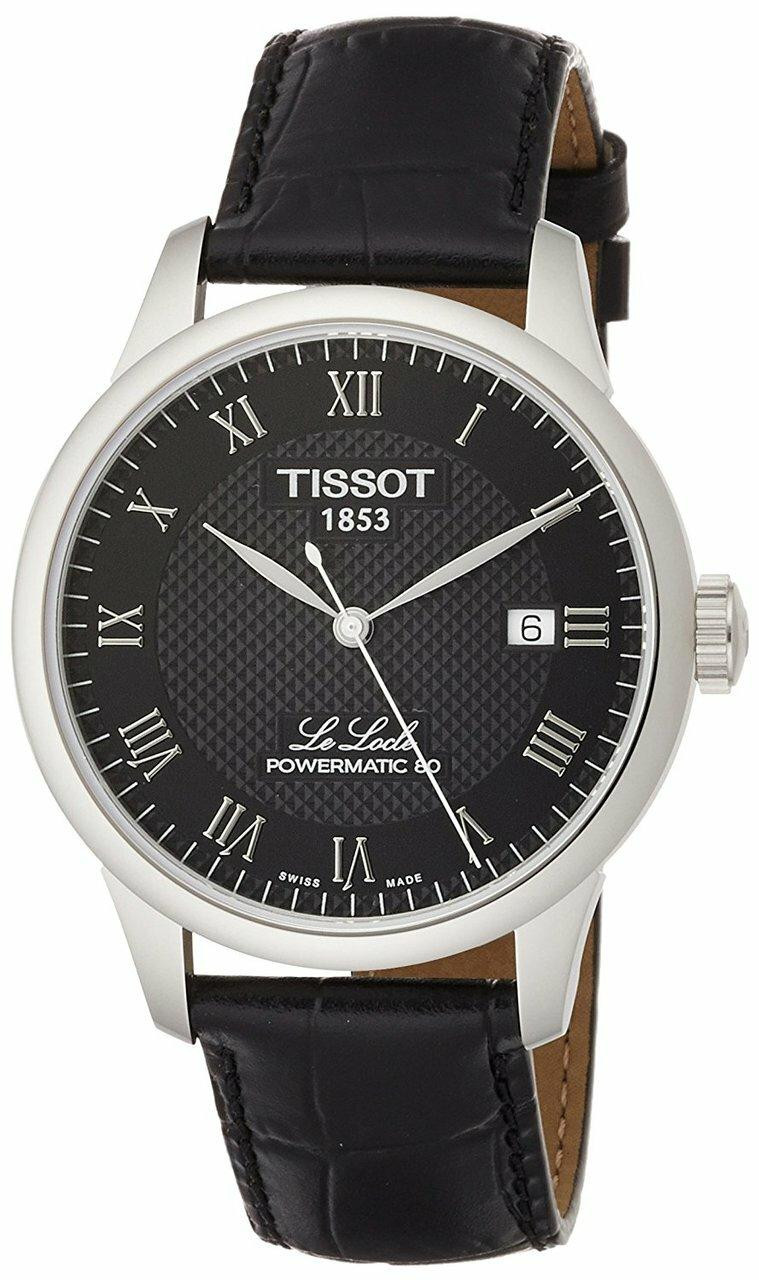
Here's a distinction that collectors learn to appreciate: the value a watch delivers to you as the wearer is very different from its resale value, and sometimes the best "value" buys are watches that offer extraordinary mechanical quality for the money while making no pretense of being investments. The Tissot Le Locle with its Powermatic 80 movement is a textbook example of this kind of honest value.
Tissot watches
TISSOT Le Locle Powermatic 80 BLK Dial LTHR Men's Watch T006.407.16.053.00
That Powermatic 80 movement offers roughly eighty hours of power reserve—far beyond what most watches costing several times as much provide—and it's housed in an elegantly classical case at a price under $600. No one buys this watch expecting to flip it for a profit, and that's rather the point. The value here is in the sheer competence and class you receive for your money. For someone entering the world of mechanical watches, this kind of purchase teaches an important lesson: the best value often has nothing to do with resale premiums and everything to do with what you're actually wearing on your wrist each day.
Where Fashion Brands Fit Into the Picture
A nuance worth addressing is the role of fashion houses that also produce watches. Brands like Gucci occupy an interesting middle ground—they bring genuine design flair and strong brand recognition, but they aren't competing in the same arena as the traditional horological houses whose watches appreciate. A piece like the Gucci Dive is designed to make a statement and complement a certain lifestyle, and that's a perfectly legitimate reason to buy a watch.

Gucci watches
GUCCI Dive 45MM SS BLK Matte Dial Rotating Bezel Men's Watch YA136208A
The key is buying a fashion-brand watch for the right reasons. If you love the design and it fits your wardrobe and personality, it's money well spent. If you're hoping it will appreciate because it carries a prestigious name, you're likely to be disappointed, because fashion watches generally follow the depreciation curve of other luxury accessories. There's no shame in buying a watch purely because it looks fantastic—just be clear with yourself that aesthetic pleasure, not financial return, is the dividend you're collecting.
Practical Advice for the Value-Conscious Buyer
If you genuinely want to buy watches with resale value in mind, there are a few principles that improve your odds without requiring you to chase impossible-to-find grail pieces. Stick to established brands with long track records and consistent demand. Favor classic, versatile designs over trendy ones, since trends fade while timeless designs endure. Keep the complete package—box, papers, receipts, and any extra links—because provenance and completeness meaningfully affect resale.
Perhaps most importantly, buy from authorized, reputable dealers. Authenticity concerns and gray-market pitfalls have scared away plenty of buyers and sellers, and a watch with a clean, documented purchase history from a trusted source is always easier to resell. This is one area where the convenience of buying from an established retailer like Watch Warehouse, with its decades of experience and authorized-dealer standing, pays dividends not just at purchase but whenever you eventually decide to pass the watch along.
And here's a final piece of counterintuitive wisdom: the best way to protect yourself financially is often to buy a little below the headline flagship models. The watches that depreciate the most sharply, in percentage terms, are frequently the ones purchased at a steep premium during hype cycles. A sensibly priced watch from a solid brand, bought at a fair price, exposes you to far less downside than a speculative purchase made in a frenzy.
The Honest Conclusion
So, do luxury watches hold their value? A select few do spectacularly, a reasonable number hold up respectably, and most depreciate like any other fine consumer good—gracefully, but surely. The investment-watch phenomenon is real, but it's narrow, and treating the entire category as an asset class leads to disappointment and poor decisions.
The healthiest way to approach watch collecting is to buy pieces you genuinely love, at prices you can comfortably afford, from sources you trust. If the watch happens to hold its value or even appreciate, consider that a pleasant bonus rather than the point. The daily pleasure of wearing a beautifully made mechanical object, the connection to craftsmanship and history, and the quiet satisfaction of a watch that keeps faithful time on your wrist—these are the returns that never depreciate. Buy for those, and you'll never feel you've lost, regardless of what the resale market does.
Featured Watches to Consider
Here are some examples from the Watch Warehouse collection that illustrate the points discussed above:
Tissot watches
TISSOT Le Locle Powermatic 80 BLK Dial LTHR Men's Watch T006.407.16.053.00
Gucci watches