Posted by Watch Warehouse on Sep 30, 2026
Understanding Watch Depreciation: Which Timepieces Appreciate and Which Don't
Ask a room full of watch collectors whether luxury watches are a good investment, and you'll likely start an hour-long debate. Some will point to the person who bought a steel Rolex Daytona for a few thousand dollars in the 1990s and now sees it valued at ten times that. Others will remind you that for every runaway success story, there are dozens of watches that quietly lost half their value the moment they left the boutique. Both camps are right, which is exactly why this question deserves a more thoughtful answer than a simple yes or no.
The truth is that "investment" is a loaded word when it comes to watches. A timepiece is not a stock or a bond, and treating it purely as a financial instrument tends to lead to disappointment. But that doesn't mean value retention is irrelevant. Understanding how and why certain watches hold their worth can help you make smarter decisions, whether you're buying your first serious watch or building a thoughtful collection over decades.
What Do We Actually Mean by "Investment"?
Before we go further, it's worth separating two very different ideas that often get tangled together. The first is appreciation—the notion that a watch will be worth more in the future than what you paid. The second is value retention—the idea that a watch will hold a meaningful percentage of its original price if you decide to sell. These are not the same thing, and confusing them causes a lot of the frustration people feel around watch buying.
The overwhelming majority of luxury watches do not appreciate. They depreciate, just like cars, though usually more gently. The small handful of models that genuinely rise in value—certain Rolex, Patek Philippe, and Audemars Piguet references—represent a tiny fraction of the market and are notoriously difficult to acquire at retail. For everyone else, the realistic goal isn't to make money. It's to enjoy a beautiful object while limiting how much value you lose. When you reframe the conversation this way, watch buying becomes far more rational and far less prone to disappointment.
Why Do Some Watches Hold Value While Others Don't?
Value retention comes down to a combination of brand strength, scarcity, demand, and the intangible quality of desirability. Brands with deep heritage and disciplined production—think of the way certain Swiss houses carefully control supply—tend to see stronger resale performance because there are more buyers than pieces available. When demand outpaces supply, prices on the secondary market stay firm or even climb above retail.
On the other end of the spectrum, brands that produce watches in large volumes, discount heavily, or lean more on fashion appeal than horological substance often see steeper depreciation. This isn't a knock on those watches as objects to enjoy; a watch that loses value can still be beautifully made and deeply satisfying to wear. It simply means the market treats them differently. Materials matter too. A gold watch carries intrinsic metal value that provides a floor, while diamond-set dials and precious materials can either enhance or complicate resale depending on how the market views those elements over time.
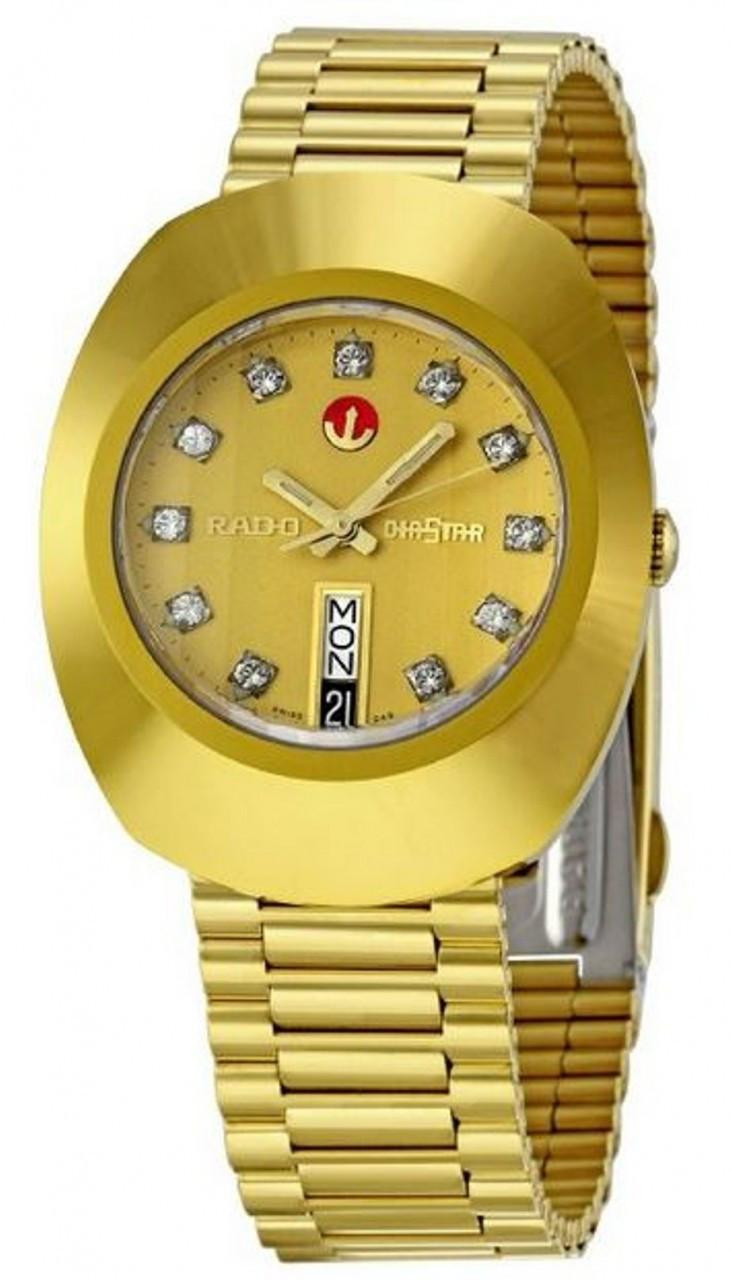
The Rado above is a useful example of a watch that should be understood on its own terms. With its diamond dial and gold finish, it offers genuine material value and a distinctive design that has quietly built a following. It's not the kind of piece that tends to double in value, and buying it with that expectation would be a mistake. But as a well-made, elegant watch that you'll actually enjoy wearing, it represents the far more common and honest reason people buy luxury watches: because they love them, not because they expect to flip them.
The Sweet Spot: Watches That Hold Value Reasonably Well
Between the rare appreciating icons and the steep depreciators lies a broad middle ground of watches that hold their value reasonably well. These are often pieces with strong mechanical credentials, respected in-house or robust movements, and a design language that doesn't chase trends. Brands with genuine watchmaking heritage but more accessible pricing frequently occupy this space, offering excellent value for money at retail and predictable, gentle depreciation afterward.
Hamilton is a brand that fits this profile beautifully. With roots in American railroad timekeeping and military supply, it carries authentic heritage while remaining accessible. Models like the Khaki Pilot draw on genuine aviation history, and the automatic movements deliver mechanical satisfaction well above their price point. Watches like this rarely make headlines for skyrocketing values, but they tend to be steady, respected pieces that a knowledgeable buyer will always recognize.
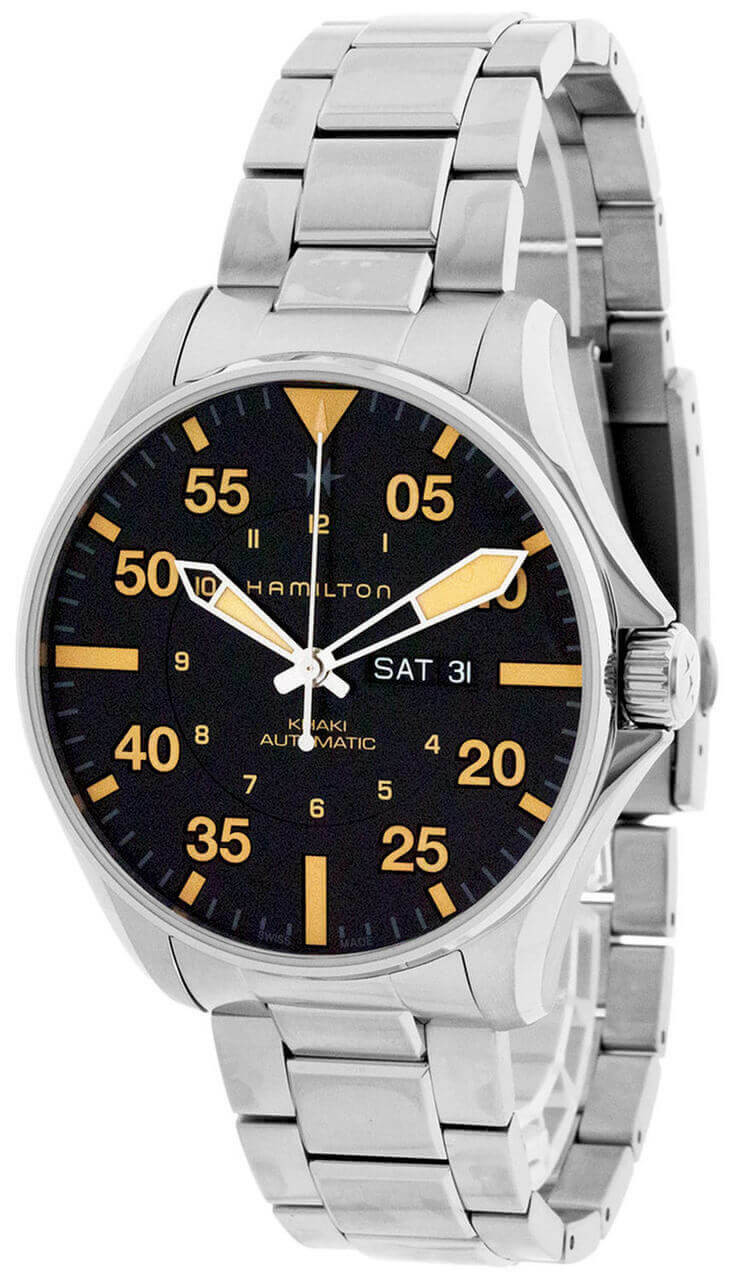
What makes watches like this appealing from a value perspective isn't dramatic appreciation—it's the combination of a fair entry price and enduring relevance. When you don't overpay at the start, you don't have far to fall. A well-chosen watch in this category can be worn for years, enjoyed thoroughly, and then sold for a reasonable portion of what you paid. That's a healthy relationship with a watch, and arguably a more sustainable one than obsessing over speculative gains.
Where Fashion Meets Horology
Fashion-house watches occupy an interesting and sometimes misunderstood corner of the market. Brands better known for handbags or apparel bring enormous name recognition and design flair to their timepieces, and their watches can be genuinely well-constructed. The tradeoff is that resale values tend to be softer, because the buyer base skews toward people drawn to the brand's aesthetic rather than collectors focused on watchmaking pedigree.
Consider a piece like the Gucci Dive. It's a stylish, capable stainless steel diver with a rotating bezel and a bold matte dial—a watch designed to make a statement on the wrist. For the person who loves the design and wants a recognizable name, it delivers exactly what it promises. Where you have to be honest with yourself is on the value question: these watches typically depreciate more than heritage-focused mechanical pieces, and that's simply the nature of buying primarily for design and brand identity rather than horological rarity.

Gucci watches
GUCCI Dive 45MM SS BLK Matte Dial Rotating Bezel Men's Watch YA136208A
None of this makes fashion watches a poor choice—it just means you should buy them for the right reasons. If a watch brings you joy every time you look at your wrist, that's a legitimate return on investment, even if it's not a financial one. The mistake is buying a fashion-forward piece while quietly expecting collector-grade appreciation. Match your expectations to the category, and you'll be far happier with your decision.
How to Buy Smart if Value Matters to You
If value retention genuinely factors into your decision, a few principles will serve you well. First, buy the best example you can of a model with real staying power—classic proportions, a respected movement, and a design that has already proven it can outlast trends. Watches that were desirable twenty years ago and remain desirable today are your best guide to what will hold up over the next twenty.
Second, take documentation seriously. The box, papers, warranty card, and service records dramatically affect resale value. A "full set" watch commands a meaningful premium over an identical piece sold bare, and this gap has only widened as the market has matured. Keep everything, store your watch properly, and service it at appropriate intervals. Condition is one of the few value factors entirely within your control.
Third, buy from authorized, reputable sources. Authenticity concerns and the prevalence of counterfeits mean that provenance matters enormously. Purchasing from an established authorized dealer protects your investment from day one and makes eventual resale far smoother, because buyers trust the chain of custody. This is where working with a specialist like Watch Warehouse, with decades of experience and proper authorization, pays dividends—both in confidence at the point of purchase and in the paperwork that supports your watch's value down the road.
So, Do Luxury Watches Hold Their Value?
The honest answer is: some do, most don't, and a rare few appreciate significantly—but you'll struggle to buy those at retail. For the vast majority of buyers, the realistic and healthy expectation is a watch that holds a reasonable portion of its value while delivering years of genuine enjoyment. That's not a failure of investment; it's the correct way to think about a beautifully made object you get to wear every day.
The best approach is to buy what you love from a source you trust, choosing quality and enduring design over speculative hype. If you happen to select a piece that appreciates, consider it a pleasant bonus rather than the point. A watch's greatest return has always been the pleasure of ownership—the small daily moment of looking at your wrist and appreciating something well made. Buy with that in mind, and you'll never feel you made a bad investment.
Featured Watches to Consider
Here are some examples from the Watch Warehouse collection that illustrate the points discussed above:
Gucci watches