Posted by Watch Warehouse on Jun 3, 2026
How to Size a Watch: The Complete Guide to Finding Your Perfect Fit
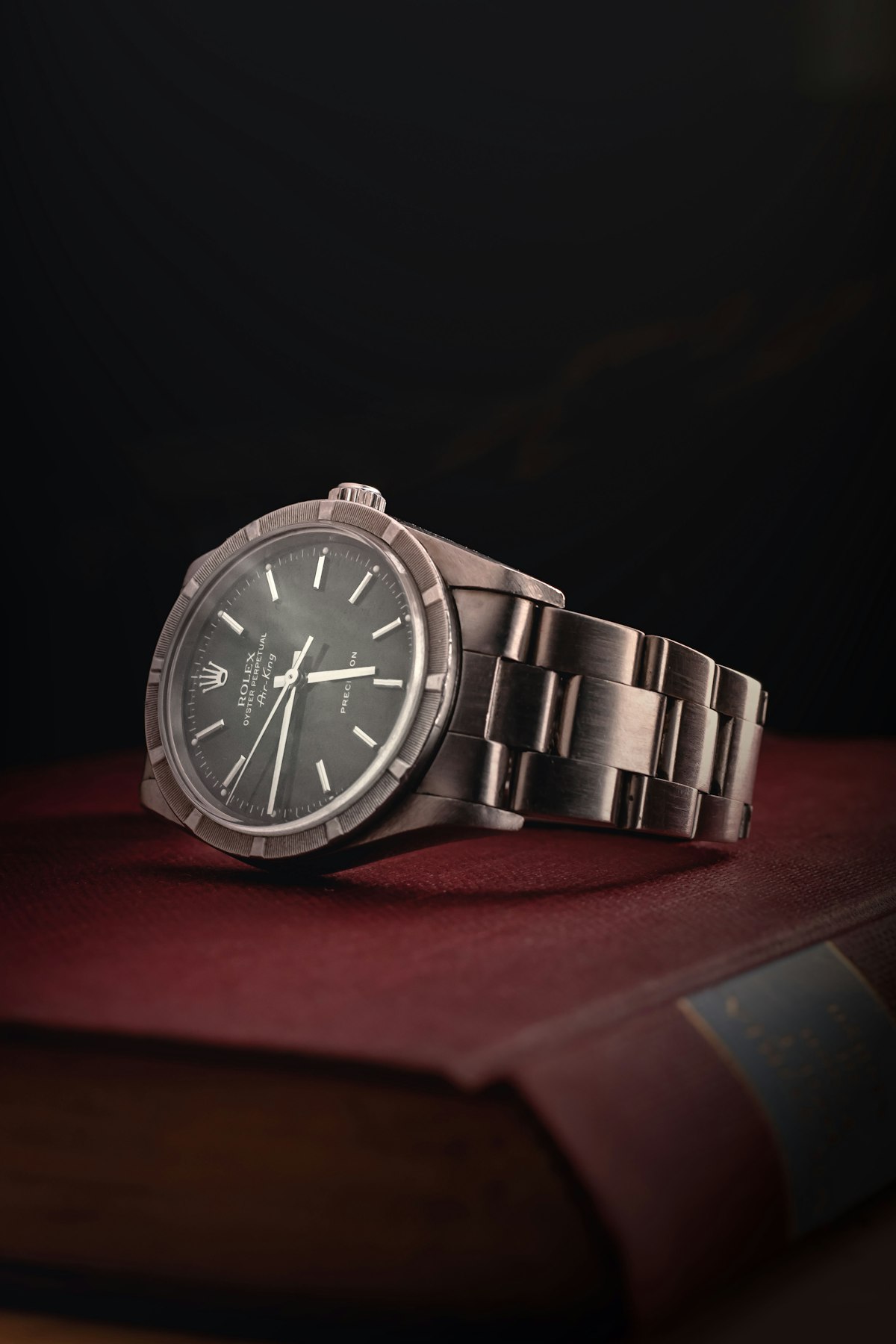
Have you ever tried on a watch that looked perfect in photos but felt completely wrong on your wrist? Perhaps the case seemed to dwarf your arm, or maybe what appeared substantial in marketing images felt surprisingly delicate in person. The relationship between a watch and the wrist it adorns is one of the most personal aspects of horological ownership, yet it's often the most misunderstood.
Finding the right watch size isn't simply about following a formula or adhering to traditional rules. It's an intersection of personal comfort, aesthetic preference, lifestyle considerations, and yes, some practical measurements. Understanding this relationship can transform your experience from frustrating trial-and-error into confident selection.
Why Case Size Matters More Than You Think
The watch case size influences everything from comfort to visual impact, but the relationship isn't as straightforward as "bigger wrist equals bigger watch." A 42mm sports watch and a 42mm dress watch can wear completely differently due to variations in lug-to-lug length, case thickness, and bezel design. The sports watch might have a chunky bezel that makes the dial appear smaller, while the dress watch's thin bezel maximizes dial real estate.
Case thickness plays an equally crucial role in how a watch wears. A slim 39mm dress watch might slip elegantly under a shirt cuff, while a 39mm diving watch with a thick case could feel bulky and catch on clothing. This is why examining multiple dimensions—not just diameter—provides a more complete picture of how a watch will sit on your wrist.
Consider how different watch styles approach sizing philosophy. Swiss manufacturers often prioritize elegance and restraint, with many dress watches ranging from 36mm to 40mm. This reflects a European sensibility that values understated sophistication. The classic proportions of a Tissot Le Locle demonstrate this approach beautifully, offering timeless elegance in a refined 39.3mm case that works across a wide range of wrist sizes.
How to Measure Your Wrist for a Watch
Learning how to measure wrist for watch sizing begins with the right tools and technique. Use a flexible measuring tape or, if you don't have one, a strip of paper that you can mark and measure against a ruler. Wrap it around your wrist just below the wrist bone, where you'd naturally wear a watch. The measurement should be snug but not tight—you should be able to slide a finger underneath.
Most people fall into predictable ranges: women typically measure between 5.5 and 7 inches, while men usually measure between 6.5 and 8 inches. However, these are broad generalizations, and individual variation is significant. What matters more than the raw measurement is understanding how different sizes will look and feel on your specific wrist.
Don't forget to consider your wrist's shape and bone structure. Some people have flat, wide wrists that can accommodate larger watches, while others have more rounded or bony wrists that suit smaller, more contoured cases. The prominence of your wrist bone affects how a watch sits, potentially creating gaps that impact both comfort and appearance.
The Art of Proportional Harmony
Great watch sizing isn't about following rigid rules—it's about achieving visual harmony between the watch and your wrist. A well-proportioned watch should feel like a natural extension of your arm, neither overwhelming your wrist nor appearing lost on it. This balance varies dramatically between individuals and even between different watches on the same person.
For women's watches, the sizing conversation takes on different nuances. Where men's watches often prioritize presence and functionality, women's timepieces frequently emphasize elegance and subtlety. A luxury women's watch like the Gucci Diamantissima demonstrates how a smaller case—in this instance, carefully proportioned for feminine wrists—can deliver maximum visual impact through thoughtful design details and premium materials.

The lug-to-lug measurement deserves special attention in any comprehensive watch size guide. This dimension—the distance from the top lug to the bottom lug—often determines comfort more than case diameter. A watch with long lugs might overhang your wrist even if the case diameter seems appropriate, creating an uncomfortable wearing experience and an unbalanced appearance.
Lifestyle and Personal Style Considerations
Your daily routine significantly influences optimal watch sizing. If you work in a professional environment where you frequently slide documents under your wrist or type at a keyboard, a thinner case becomes practically important. Conversely, if your lifestyle involves more physical activity, you might prefer a more substantial watch that feels secure and purposeful.
Personal style philosophy also plays a crucial role. Some people gravitate toward statement pieces that announce their presence, while others prefer watches that complement their overall look without demanding attention. Neither approach is superior—they simply reflect different aesthetic preferences and lifestyle priorities.
Consider how often you'll wear the watch and in what contexts. A watch intended for daily wear should prioritize comfort and versatility, while a special occasion timepiece might accommodate slightly more dramatic proportions. This is why many enthusiasts eventually own multiple watches in different sizes for different purposes.
Understanding Modern Sizing Trends
Watch sizing has evolved significantly over the decades, reflecting changing fashion sensibilities and manufacturing capabilities. The trend toward larger watches that gained momentum in the early 2000s has begun to moderate, with many manufacturers returning to more classic proportions. This shift reflects a growing appreciation for traditional watchmaking aesthetics and increased awareness of proper fit.
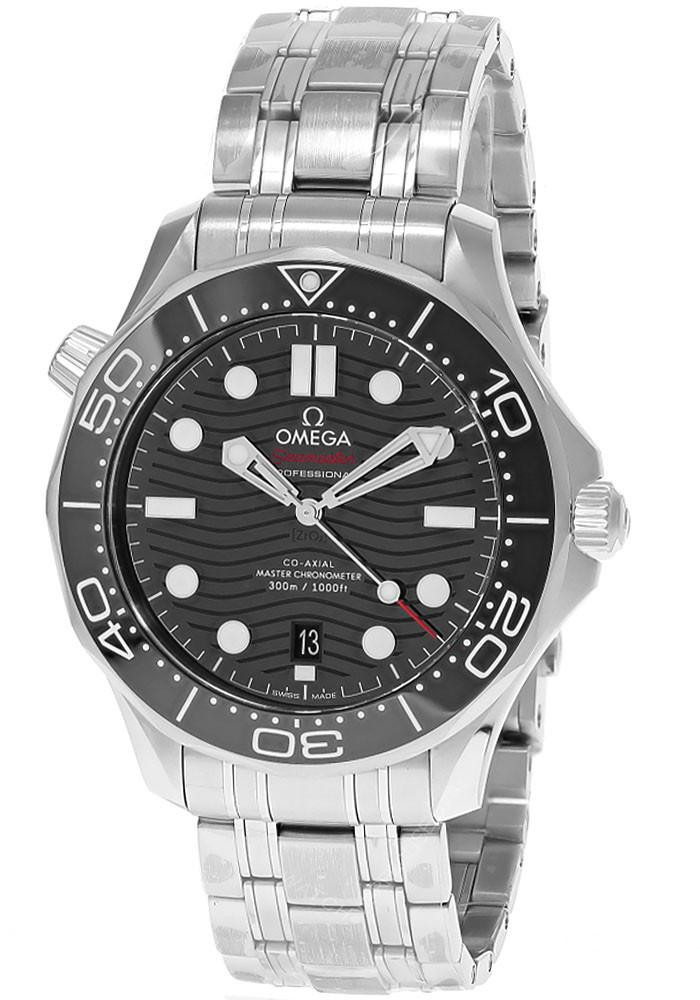
Sports watches continue to push size boundaries, often justifiably. A robust diving watch like the Omega Seamaster Aqua Terra at 42mm serves both functional and aesthetic purposes—the larger case accommodates a more legible dial and substantial movement while projecting the confidence and capability associated with professional diving equipment. The key is understanding when size serves a purpose beyond mere visual impact.
Gender boundaries in watch sizing continue to blur, with many women embracing larger timepieces traditionally associated with men's collections, while some men appreciate the refined elegance of smaller vintage-inspired pieces. This evolution reflects broader changes in fashion and personal expression, suggesting that the most important consideration is how a watch makes you feel when wearing it.
Making the Final Decision
After measuring your wrist and considering your preferences, the most valuable step is trying on watches in person whenever possible. Photos and specifications provide important information, but they can't replicate the tactile experience of how a watch actually feels on your wrist. Pay attention to how the watch moves as you gesture, whether it catches on sleeves, and how it balances during daily activities.
Don't rush the decision, especially for significant purchases. A watch you'll wear regularly should feel comfortable from the first moment—discomfort rarely improves with time. Trust your instincts about proportion and comfort, even if they contradict conventional sizing wisdom or current trends.
Remember that the perfect size for you might differ from general recommendations or what looks good on someone else. Watch sizing is ultimately about finding the intersection of comfort, style, and personal preference that makes you excited to wear your timepiece every day.
At Watch Warehouse, we've seen countless customers discover their perfect watch size through patient exploration and honest assessment of their preferences. The journey to finding your ideal fit is as personal as the watch itself, and understanding your unique requirements makes all the difference in long-term satisfaction with your choice.
Featured Watches to Consider
Here are some examples from the Watch Warehouse collection that illustrate the points discussed above:
