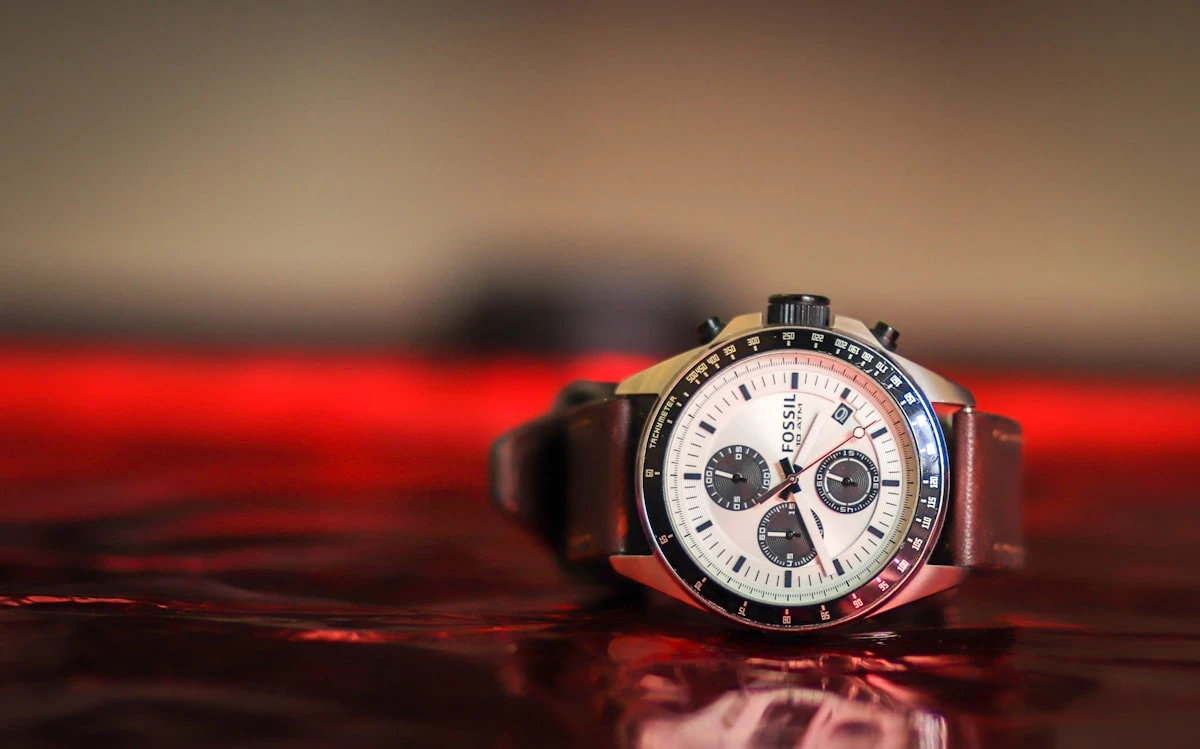
Posted by Watch Warehouse on Sep 17, 2026
The Complete Guide to Luxury Watch Maintenance and Care
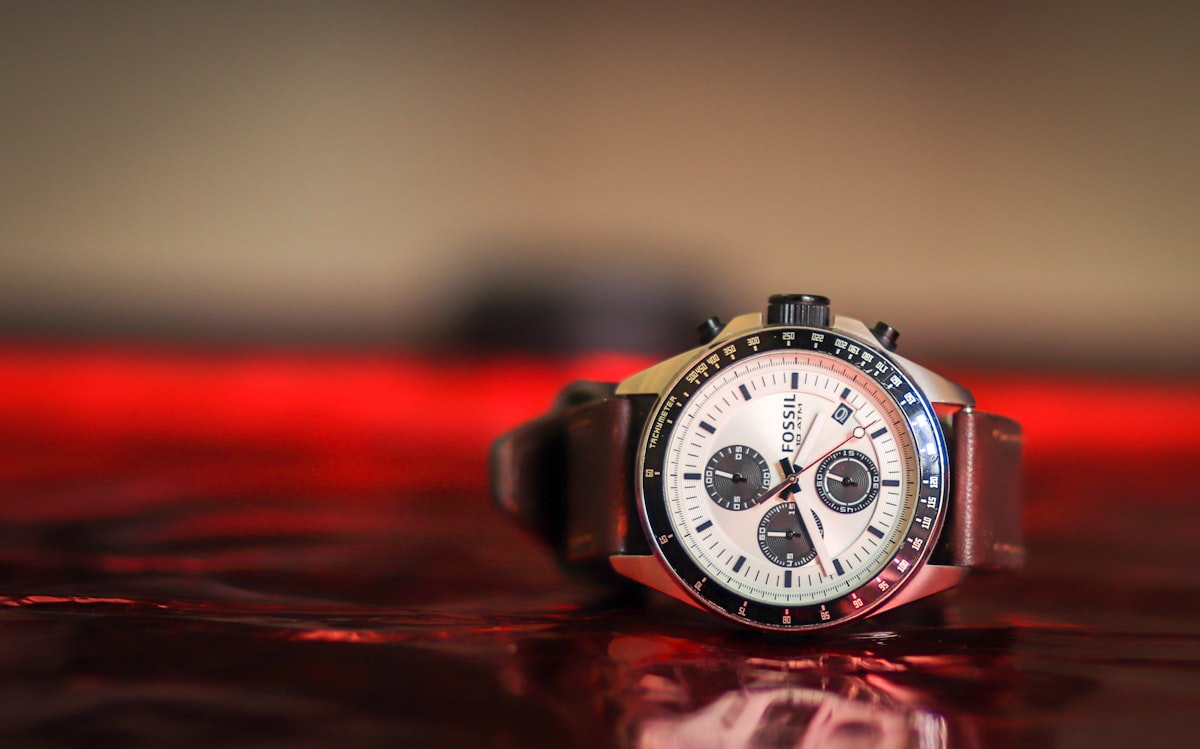
Have you ever wondered why some watches look pristine after decades of wear, while others show their age in just a few years? The difference rarely comes down to price. More often, it reflects how the owner cared for their timepiece over the years. A well-maintained watch can outlive its original owner and become a treasured heirloom, while a neglected one may struggle to keep good time by its tenth birthday.
The good news is that caring for a luxury watch isn't complicated or expensive. It simply requires a bit of knowledge and consistency. In this guide, we'll walk through the practical habits that protect your investment, explain the reasoning behind each recommendation, and help you understand when to handle things yourself versus when to seek professional help.
Why Does Regular Cleaning Matter More Than You Think?
Your watch spends its life in constant contact with your skin, which means it accumulates sweat, oils, dust, and the residue of everyday products like sunscreen and cologne. Over time, this buildup does more than dull the shine. Salt from perspiration is mildly corrosive, and grit lodged between bracelet links or around the crown can slowly wear down metal and compromise seals.
For routine cleaning, a soft microfiber cloth is your best friend. Wiping down your watch each evening removes the day's accumulated oils before they have a chance to settle. For a deeper clean of a water-resistant watch, you can use lukewarm water, a drop of mild soap, and a soft toothbrush to gently work around the case and bracelet. Just make sure the crown is fully pushed in or screwed down first, and dry everything thoroughly afterward.
Leather straps require a different approach entirely. Water is the enemy of leather, so never submerge a leather strap. Instead, wipe it with a slightly damp cloth and allow it to air dry away from direct heat. Understanding your specific watch's construction is the first step toward knowing how to clean it safely.
How Should You Handle Water Resistance?
Water resistance is one of the most misunderstood aspects of watch ownership. A rating stamped on the caseback tells you what the watch could withstand when it left the factory under controlled laboratory conditions, not necessarily what it can handle years later. Gaskets and seals degrade over time, especially with exposure to heat, chemicals, and repeated pressure changes.
A watch rated at 30 meters is really only splash resistant, while 100 meters is generally suitable for swimming. True dive watches, rated to 200 meters or more, are built for serious underwater use with robust seals and screw-down crowns. If you own a genuine diver's watch and use it as intended, it's worth having the water resistance tested periodically to ensure those seals are still doing their job.

Gucci watches
GUCCI Dive 45MM SS BLK Matte Dial Rotating Bezel Men's Watch YA136208A
A watch like the Gucci Dive, with its rotating bezel and robust construction, is designed to handle aquatic adventures. But even a purpose-built diver benefits from care: rinse it with fresh water after ocean or pool use to flush away salt and chlorine, and never operate the crown while the watch is wet. These small habits preserve the seals that make water resistance possible in the first place.
Understanding the Movement Inside Your Watch
The heart of any luxury timepiece is its movement, and different movements have different care requirements. Automatic and mechanical watches contain dozens of tiny components working in harmony, lubricated by specialized oils that gradually dry out or thicken over the years. This is why mechanical watches need periodic servicing, typically every three to five years, to keep the movement running accurately and prevent long-term wear.
Automatic watches wind themselves through the motion of your wrist, which means a watch that sits unworn for extended periods will eventually stop. When you pick it up again, gently wind it and reset the time and date before wearing. If you rotate through several watches, a watch winder can keep your automatics running, though there's an ongoing debate about whether continuous winding is truly necessary or simply a convenience.
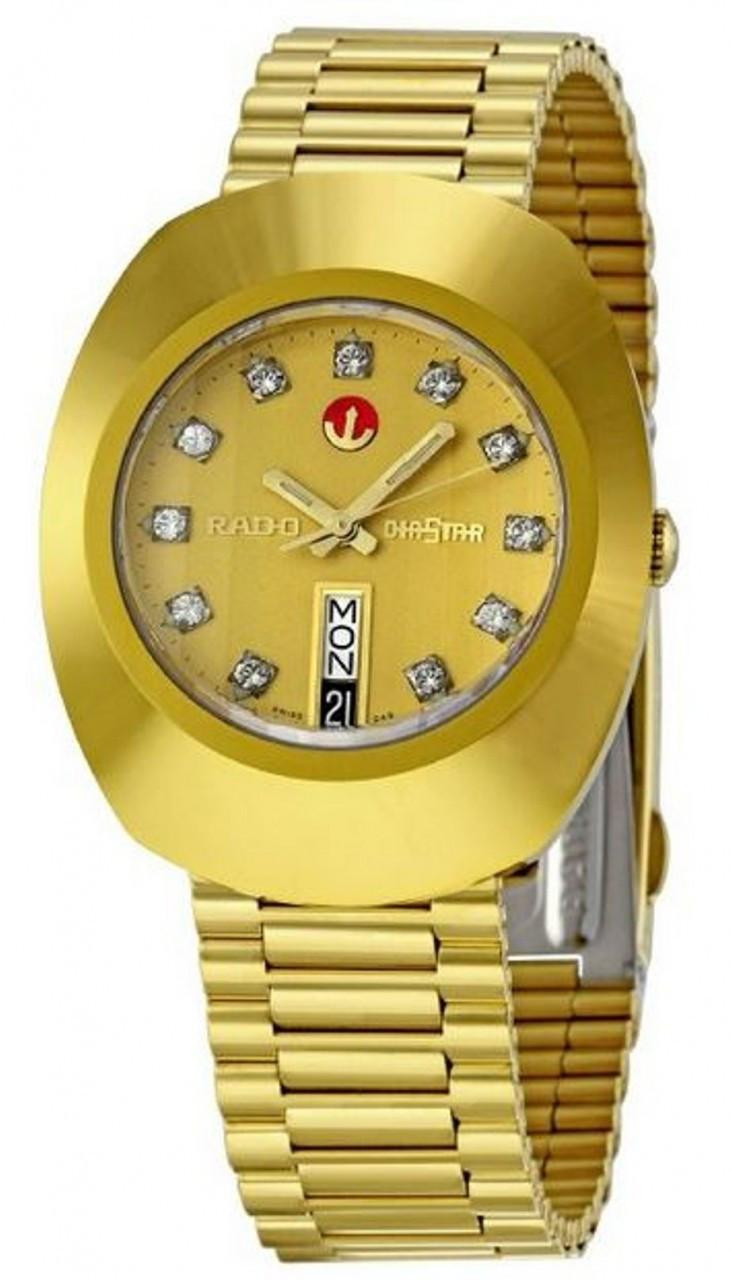
The Rado Original is a wonderful example of an automatic watch that rewards attentive ownership. Its diamond dial and gold finish deserve gentle handling, and its automatic movement will run reliably for years with proper servicing. When you own a watch with automatic complications, resist the temptation to set the date between roughly 9 PM and 3 AM, as the date-change mechanism is engaged during those hours and forcing it can cause damage.
Caring for Chronographs and Complications
Watches with additional functions, known as complications, add both capability and responsibility to ownership. Chronographs, with their stopwatch functions and multiple sub-dials, contain extra components that benefit from occasional use to keep everything moving freely. Running the chronograph function now and then is actually good for it, though leaving it running continuously for extended periods can slightly reduce power reserve on mechanical watches.
Ceramic bezels and cases, increasingly common on modern chronographs, offer excellent scratch resistance and hold their finish beautifully over time. The tradeoff is that ceramic, while extremely hard, can be brittle. A sharp impact against a hard surface could chip it, so a bit of mindfulness in how you handle the watch goes a long way.

TAG Heuer Watches
TAG HEUER Formula-1 Calibre 16 CHRONO Ceramic Men's Watch CAZ2012.BA0970
The TAG Heuer Formula 1 Calibre 16 illustrates this beautifully with its ceramic bezel and automatic chronograph movement. Owning a watch like this means enjoying its stopwatch capability while respecting the mechanics behind it. Push the chronograph buttons deliberately rather than jamming them, and have the movement serviced on schedule so those precision components continue to function as the engineers intended.
Where and How Should You Store Your Watch?
How you store your watch when you're not wearing it matters more than most people realize. The biggest threats are magnetism, temperature extremes, and physical impact. Magnetic fields from speakers, laptops, tablet covers, and even some kitchen appliances can magnetize the delicate hairspring in a mechanical movement, causing it to run fast or erratically. Keeping your watch away from these sources during storage protects its accuracy.
Temperature and humidity swings are equally important. Storing a watch in a hot car or a damp bathroom exposes it to conditions that can degrade lubricants, warp gaskets, and encourage moisture intrusion. A cool, dry drawer or a dedicated watch box with soft compartments provides a stable environment that keeps your timepiece safe from both the elements and accidental knocks.
If you're storing a watch for the long term, consider placing a small silica gel packet nearby to absorb moisture. And for watches with leather straps, storing them flat rather than buckled helps the leather retain its shape and prevents unnecessary creasing over time.
When Is Professional Servicing Worth It?
There's a limit to what any owner can and should do at home. While cleaning, careful storage, and mindful daily handling fall well within your control, opening a case, adjusting a movement, or testing water resistance requires specialized tools and expertise. Attempting these yourself risks doing far more harm than good, and can void warranties in the process.
A full service typically involves disassembling the movement, cleaning each component, replacing worn gaskets and seals, applying fresh lubricants, and regulating the watch for accuracy before reassembly and testing. This is meticulous work best left to trained watchmakers. The general guidance of servicing every three to five years is a reasonable starting point, though how often you wear the watch and the conditions it experiences will influence the ideal interval.
When it comes time to service, purchase, or simply learn more about your timepiece, working with an authorized dealer makes a real difference. At Watch Warehouse, our 25-plus years of experience means we understand the specific needs of the brands we carry, and we can guide you toward the right care for your particular watch. An authorized relationship also ensures that any service or advice you receive aligns with the manufacturer's standards.
Final Thoughts on Caring for Your Investment
Caring for a luxury watch ultimately comes down to consistency and awareness rather than elaborate rituals. A quick wipe at the end of the day, thoughtful storage away from magnets and moisture, respect for the water resistance limits, and regular professional servicing will keep almost any fine timepiece running beautifully for decades. These habits cost little in time or money, yet they protect something that can appreciate in both sentimental and monetary value.
Whether you own an elegant automatic, a rugged diver, or a sophisticated chronograph, the principles remain the same. Understand your watch, treat it with care, and give it the professional attention it needs when the time comes. Do that, and your watch won't just tell time. It will tell a story, one you may eventually pass along to the next generation.
Featured Watches to Consider
Here are some examples from the Watch Warehouse collection that illustrate the points discussed above:
TAG Heuer Watches
TAG HEUER Formula-1 Calibre 16 CHRONO Ceramic Men's Watch CAZ2012.BA0970
Gucci watches