Posted by Watch Warehouse on Jul 29, 2026
Watch Complications Explained: A Beginner's Guide to What Matters
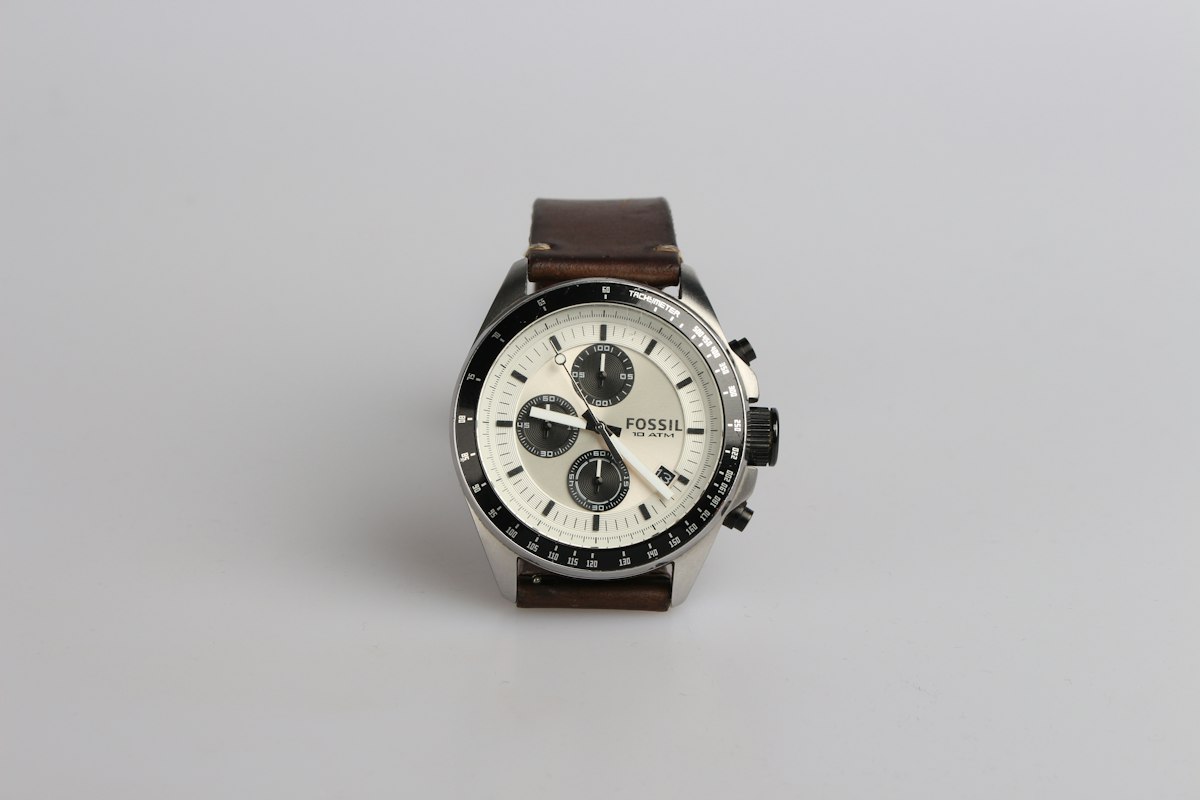
Have you ever looked at a watch dial crowded with subdials, tiny windows, and rotating rings and wondered what all of it actually does? For many people just beginning to explore fine timepieces, the language of watchmaking can feel like an inside joke you weren't let in on. The word "complication" gets thrown around constantly, yet it rarely gets explained in a way that makes intuitive sense. That's a shame, because understanding complications is genuinely one of the most rewarding ways to deepen your appreciation for what sits on your wrist.
In this guide, we'll walk through what complications really are, why watchmakers spend enormous effort creating them, and which ones actually matter for how you'll use a watch day to day. The goal isn't to turn you into an engineer, but to give you the vocabulary and context to make smarter, more confident decisions about the watches you love.
What Exactly Is a Watch Complication?
At its simplest, a watch complication is any function a mechanical watch performs beyond telling the basic time of hours, minutes, and seconds. That's it. If a watch shows you the date, that's a complication. If it can time a lap around a track, that's a complication. If it tracks the phases of the moon, that too is a complication. The term comes from the fact that adding these functions genuinely complicates the movement inside, requiring additional gears, levers, and springs all working in harmony.
It helps to remember that in a mechanical watch, everything is driven by physical components rather than a battery and a chip. So when a watchmaker adds even a modest function like a date wheel, they're introducing new parts that must integrate seamlessly with the existing gear train. The more complications a watch has, the more impressive the feat of engineering, which is why grand complications with dozens of functions can command the prices of houses.
Understanding this basic definition matters because it reframes how you look at a watch. Those extra dials and windows aren't decoration. Each one represents a specific, deliberate function, and knowing what they do transforms a busy dial from confusing to fascinating.
The Chronograph: The Most Popular Complication
If there's one complication worth understanding first, it's the chronograph. The chronograph meaning is straightforward once you strip away the jargon: it's essentially a stopwatch built into your watch. You press a pusher to start timing an event, press again to stop, and a third press to reset. The elapsed time is typically displayed across small subdials on the face, tracking seconds, minutes, and sometimes hours.
Chronographs became beloved for practical reasons. Racing drivers used them to time laps, pilots relied on them for navigation calculations, and divers used them alongside rotating bezels. Even if you never time a single event, there's something deeply satisfying about the tactile click of the pushers and the sweep of the central hand springing to life. It's a complication that invites interaction.
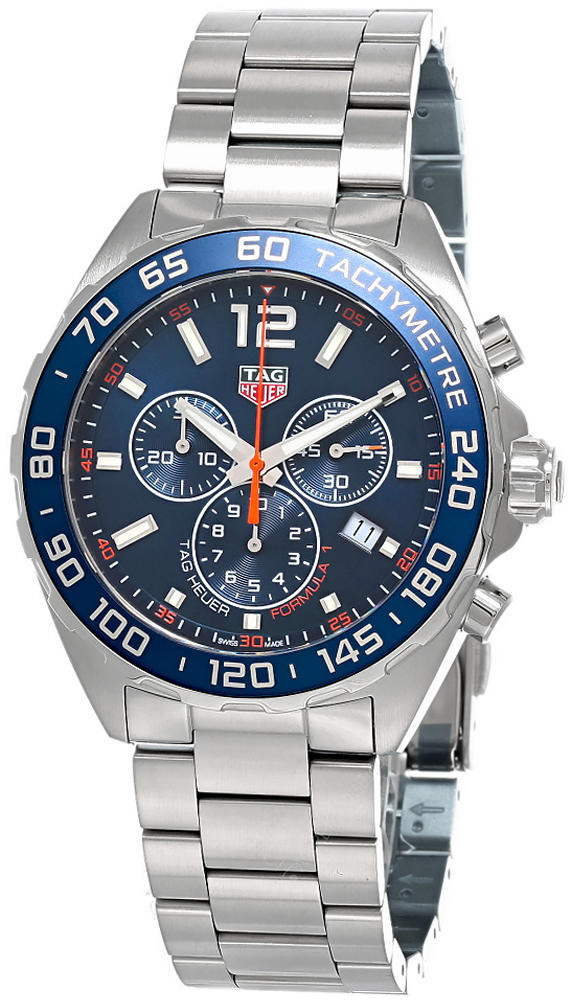
The TAG Heuer Formula 1 line is a wonderful illustration of the chronograph in its natural habitat. TAG Heuer built its reputation on motorsport timing, and a chronograph on a racing-inspired watch feels genuinely purposeful rather than ornamental. The blue dial here uses its subdials both functionally and as part of a cohesive, sporty design.
TAG Heuer Watches
TAG HEUER Formula-1 Chronograph Blue Dial Men's Watch CAZ1014.BA0842
One honest note about chronographs: they add complexity, cost, and often a bit of thickness to a watch. If you know you'll genuinely use the timing function, or if you simply love the look and mechanical richness, they're worth every bit of that tradeoff. If you want something clean and minimal, a chronograph may feel like more watch than you need.
Practical Complications for Everyday Life
Not every complication is dramatic. Some of the most useful ones are quiet and almost invisible until you rely on them. The date display is the obvious example, so common that many people forget it's technically a complication at all. A day-date function that also spells out the day of the week goes a step further, and an annual calendar cleverly accounts for months of different lengths so you only need to adjust it once a year.
Then there are functions built around specific activities. A rotating bezel, common on dive watches, allows you to track elapsed time by aligning the bezel marker with the minute hand before descending. It's a simple, mechanical way to know how long you've been underwater, and it doubles as a handy timer for everyday tasks like parking meters or cooking.
The Gucci Dive is a good example of how a practical complication can also carry real style. Its unidirectional rotating bezel is a genuine functional feature, designed so it can only move in the direction that would shorten your perceived remaining time, a built-in safety consideration for divers. At the same time, the matte black dial and cushion case give it a distinctive presence that works well beyond the water.

Gucci watches
GUCCI Dive 45MM SS BLK Matte Dial Rotating Bezel Men's Watch YA136208A
These everyday complications are often the smartest place for newcomers to start. They add real utility without overwhelming the dial or the price, and they teach you how you actually interact with a watch over time. You might discover that a date window is indispensable to you, or that a rotating bezel becomes your favorite kitchen timer.
Complications Rooted in Purpose and Heritage
Some of the most compelling complications exist because they solved a genuine problem for a specific profession. Dive watches, pilot's watches, and field watches all carry features that trace directly back to real-world demands. Understanding this heritage is part of what makes a watch features guide worth reading, because it explains why certain designs endure long after the original need has faded.
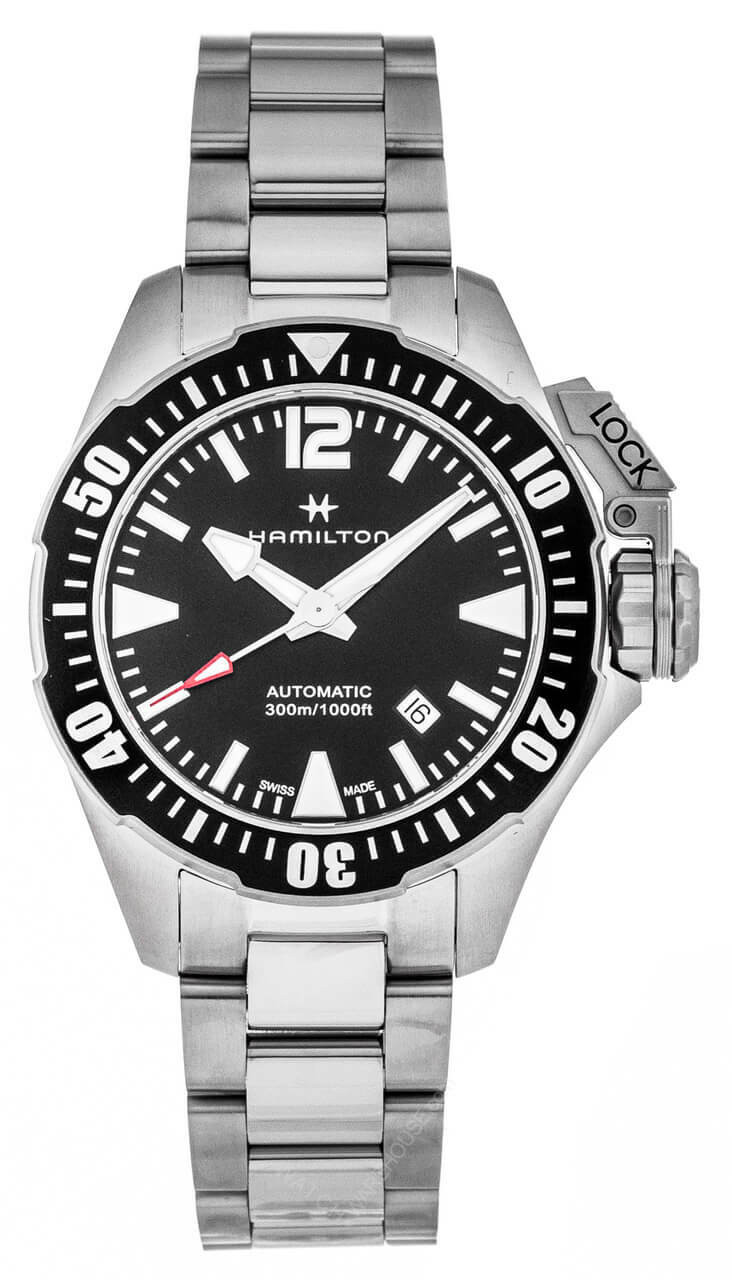
Consider the military dive heritage embodied by watches like the Hamilton Khaki Navy Frogman. Hamilton has a long history supplying watches to armed forces, and the Frogman draws on that legacy with high water resistance, a screw-down crown, and a rotating bezel built for timing dives. The automatic movement means it winds itself through the motion of your wrist, another mechanical convenience that removes the need for daily hand-winding.
Hamilton watches
HAMILTON Khaki Navy Frogman AUTO SS 42MM Black Dial Watch H77605135
Beyond these, you'll encounter more exotic complications as you explore further. A GMT function tracks a second time zone, invaluable for travelers. A moon phase display tracks the lunar cycle, more poetic than practical but genuinely charming. A power reserve indicator shows how much wind is left in the mainspring. And at the highest end, tourbillons, perpetual calendars, and minute repeaters represent the pinnacle of the watchmaker's art, though they carry prices to match.
How to Decide Which Complications Are Right for You
Here's where a bit of honesty serves you better than a sales pitch. More complications do not automatically make a better watch for you. The right choice depends entirely on how you live and what you find meaningful. Someone who travels constantly will get real value from a GMT, while someone who admires the mechanics of timing might treasure a chronograph they rarely use for its intended purpose.
A useful exercise is to think about which functions you'd actually engage with versus which simply look impressive. There's nothing wrong with buying a watch because you love how the subdials look or because the heritage speaks to you. Just be honest with yourself about the difference, because complications add cost, thickness, and sometimes maintenance considerations. A simpler watch that you wear every day may bring far more satisfaction than a complicated one that stays in a drawer.
It's also worth remembering that legibility matters. A dial packed with functions can become harder to read at a glance, which somewhat defeats the primary purpose of a watch. The best complicated watches balance capability with clarity, arranging their functions so the dial remains harmonious rather than chaotic. When you're evaluating a piece, ask yourself whether you can still tell the time quickly and comfortably.
Bringing It All Together
Complications are the heart of what makes mechanical watchmaking endlessly interesting. They connect the watch on your wrist to centuries of problem-solving, craftsmanship, and human ingenuity. Whether it's the tactile joy of a chronograph, the quiet utility of a date window, or the purposeful engineering of a dive bezel, each function tells a story about why the watch exists and how it's meant to be used.
The most important thing is to let your own needs and tastes guide you rather than chasing complexity for its own sake. Learn what each complication does, be honest about how you'll use it, and choose the watch that genuinely fits your life. If you'd like to explore these functions in person or talk through the options with people who know them well, the team at Watch Warehouse has spent more than 25 years helping collectors and newcomers alike find the right piece. There's no substitute for handling a few watches and discovering firsthand which complications resonate with you.
Take your time, ask questions, and enjoy the learning process. Understanding complications isn't just about buying smarter, it's about appreciating more deeply the remarkable little machines we're lucky enough to wear.
Featured Watches to Consider
Here are some examples from the Watch Warehouse collection that illustrate the points discussed above:
Gucci watches
GUCCI Dive 45MM SS BLK Matte Dial Rotating Bezel Men's Watch YA136208A
Hamilton watches
HAMILTON Khaki Navy Frogman AUTO SS 42MM Black Dial Watch H77605135
TAG Heuer Watches