Posted by Watch Warehouse on Oct 7, 2026
Watch Investing 101: Which Luxury Timepieces Actually Appreciate?
If you spend any time in watch forums or scroll through social media, you'll inevitably encounter the phrase "watches are an investment." It's become something of a mantra in enthusiast circles, often repeated to justify a purchase or to signal that a timepiece is more than just a luxury indulgence. But is it actually true? Do luxury watches genuinely hold their value, and should you ever buy one expecting a financial return?
The honest answer is more nuanced than either the optimists or the skeptics would have you believe. Some watches appreciate dramatically, some hold steady, and many lose a significant portion of their value the moment you walk out of the boutique. Understanding which is which—and why—is the key to making smart decisions, whether you're buying purely for pleasure or hoping to preserve some capital along the way.
What Does It Really Mean for a Watch to "Hold Its Value"?
Before we talk about specific watches, it helps to clarify what we mean by value retention. A watch that holds its value is one you could resell for a price close to—or above—what you paid for it. This is remarkably rare in the broader luxury goods world. Most handbags, cars, and electronics lose a substantial chunk of their worth immediately after purchase.
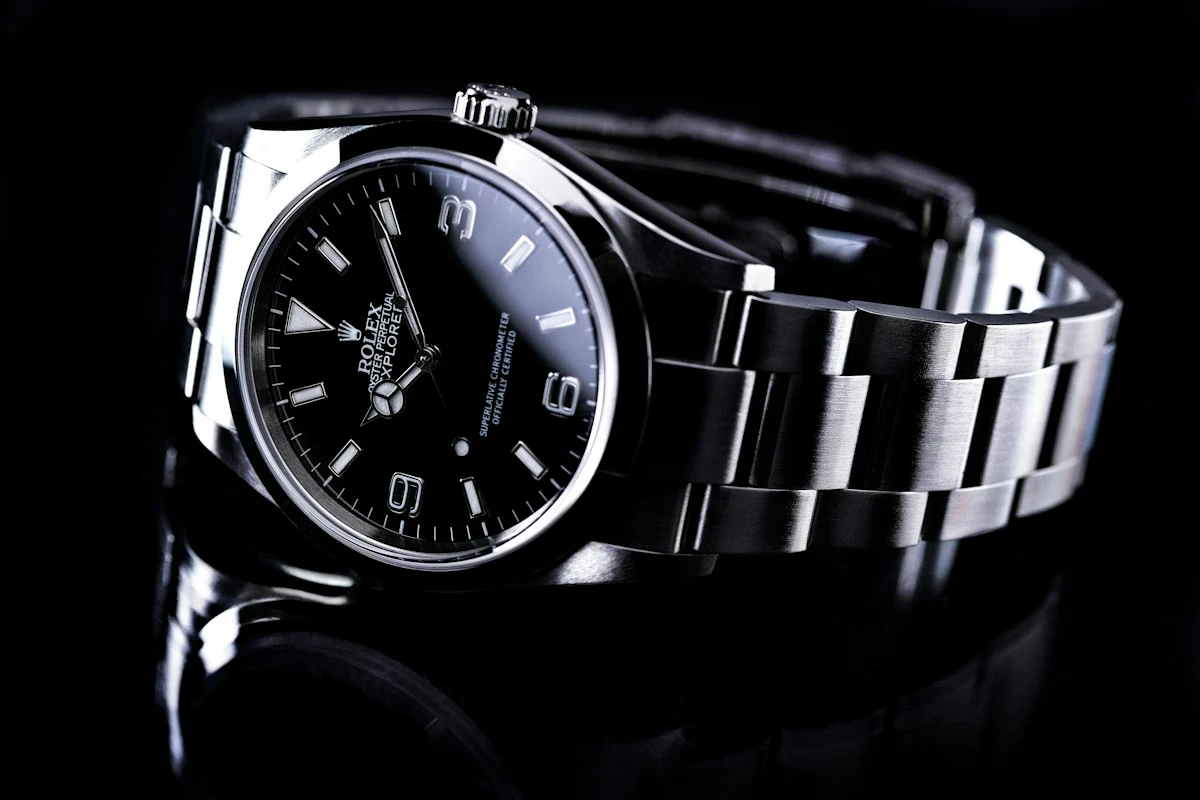
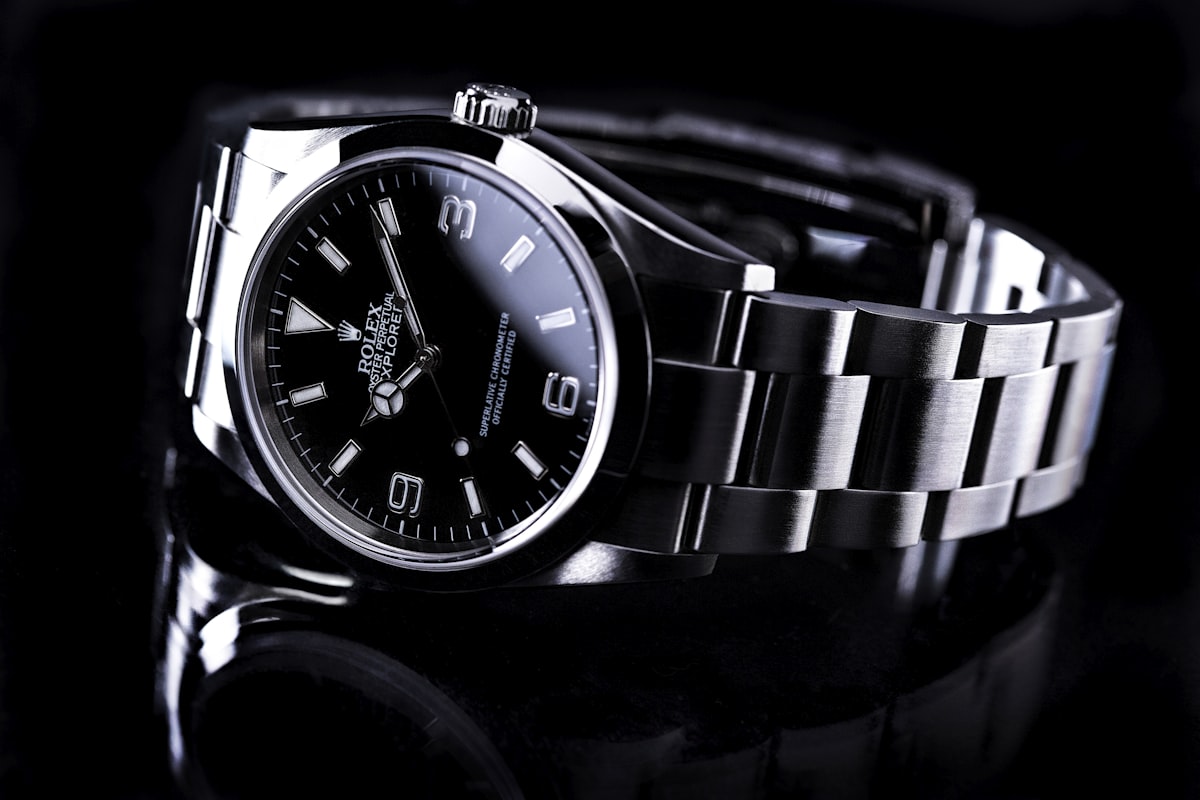
Watches occupy an unusual position. A small handful of models from brands like Rolex, Patek Philippe, and Audemars Piguet have famously appreciated well beyond retail, sometimes trading for multiples of their original price. But these represent a tiny slice of the market. For the vast majority of luxury watches, "holding value" means losing less than you would with comparable purchases—not turning a profit.
It's worth separating two very different motivations here. There's buying a watch you love and happen to recover much of your money on if you sell, and there's buying a watch purely as a speculative asset. The first is a sensible approach to an expensive hobby. The second is a genuine investment strategy that carries real risk and requires expertise most casual buyers simply don't have.
Why Do Some Watches Appreciate While Others Depreciate?
The watches that command strong resale value share a few common characteristics. Scarcity is the biggest driver. When demand consistently outstrips supply—whether through deliberate production limits or sheer popularity—prices on the secondary market climb. A stainless steel sports watch from a prestige maker with a years-long waiting list is the textbook example.
Brand heritage matters enormously as well. Collectors pay premiums for names with deep horological credibility and consistent desirability across decades. A brand that has proven its staying power creates confidence that today's purchase will still be coveted in twenty years. Movement quality, in-house manufacturing, and iconic design language all feed into this perception.
On the flip side, watches that depreciate tend to be those produced in large quantities, sold with generous retail discounts, or associated with brands whose primary reputation lies outside watchmaking. This doesn't make them bad watches—far from it—but it does mean the secondary market treats them differently. Fashion-driven pieces, in particular, can fall out of favor as styles shift, which puts downward pressure on resale prices.
The Accessible Luxury Tier: Value for Money Versus Value Retention
Here's where things get interesting for most buyers. The majority of us aren't shopping for six-figure grail watches; we're looking at well-made timepieces in the one-to-three thousand dollar range. In this tier, the conversation shifts away from appreciation and toward sensible value—getting a genuinely good watch for the money and understanding that you'll likely take some depreciation if you decide to sell.
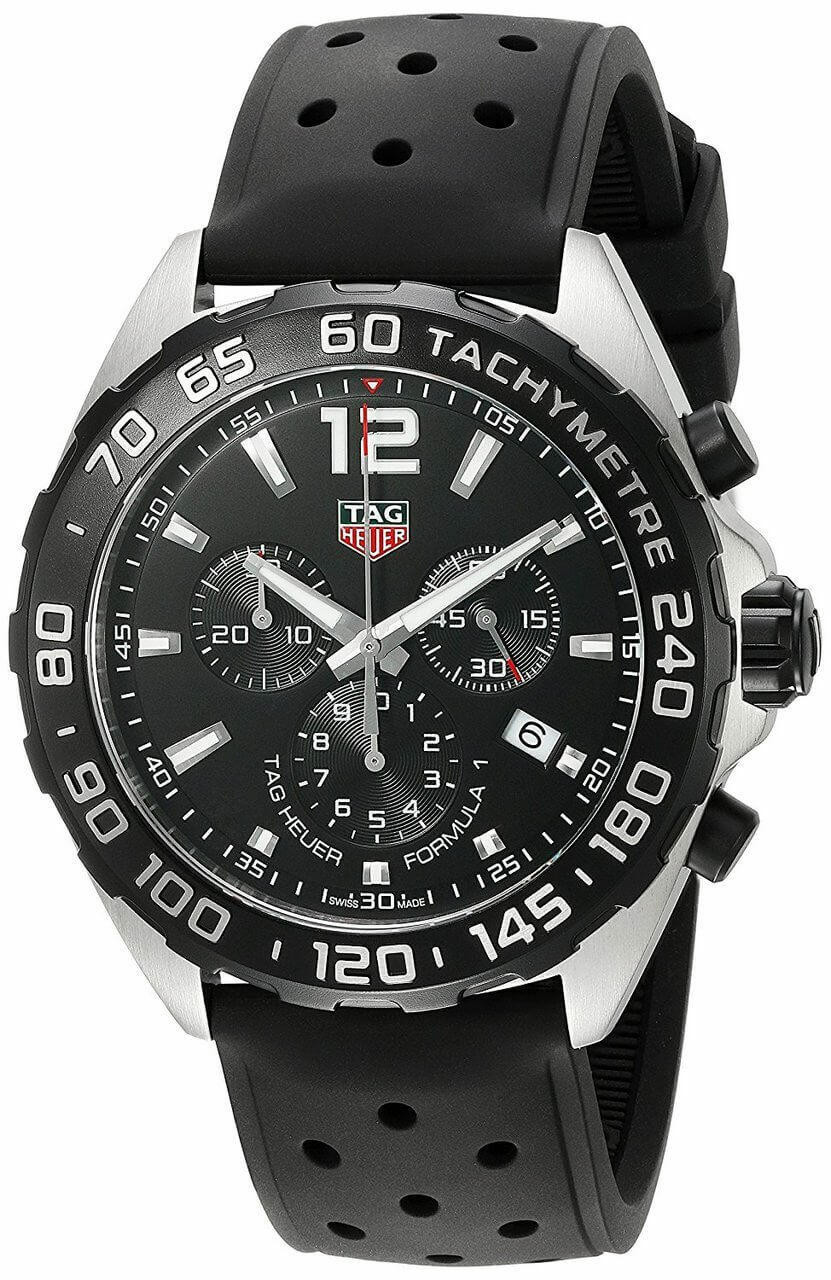
Take a watch like the TAG Heuer Formula 1 Chronograph. TAG Heuer is a legitimate Swiss brand with real motorsport heritage and a long history in sports watches. A chronograph like this delivers robust everyday wearability, strong brand recognition, and the kind of design that doesn't chase fleeting trends. You're unlikely to see it appreciate, but it's the sort of piece that holds respectable value precisely because the brand has staying power and the model has an established identity.
TAG Heuer Watches
TAG HEUER Formula-1 Chronograph Rubber Men's Watch CAZ1010.FT8024
The lesson here is that value for money and value retention are related but distinct. A watch can be an outstanding purchase—superb build quality, satisfying to wear daily, backed by a reputable name—without being an investment in any financial sense. For most people, that's exactly the right way to think about watches in this price range.
Fashion-Forward Watches and the Resale Reality
Watches from luxury fashion houses deserve their own discussion because they illustrate an important point about the secondary market. These brands often produce genuinely attractive, well-constructed timepieces, but because their core identity lies in fashion rather than horology, their watches tend to depreciate more steeply when resold.
Consider the Gucci Dive. It's a striking, solidly built dive-style watch with a rotating bezel and a confident 45mm presence. For someone who loves the design and the brand, it offers real everyday appeal and a distinctive look you won't find from traditional watchmakers. What it typically won't do is hold its value the way a dedicated horological brand might, simply because collectors and the resale market价 value watchmaking pedigree over fashion credentials.

Gucci watches
GUCCI Dive 45MM SS BLK Matte Dial Rotating Bezel Men's Watch YA136208A
None of this should discourage you from buying a watch you love for its own sake. If a Gucci Dive speaks to you and fits your style, it's a perfectly valid purchase. The point is simply to go in with clear eyes: buy it because you want to wear it, not because you expect it to fund your retirement. Separating the pleasure of ownership from the fantasy of appreciation leads to far happier watch owners.
The Sweet Spot: Heritage Brands at Honest Prices
There's a particularly rewarding category for buyers who care about both substance and reasonable value retention: established watchmaking brands that offer genuine mechanical movements and authentic heritage without the enormous premiums of the prestige tier. These watches tend to hold their value better than fashion pieces because they're rooted in real horological credibility.
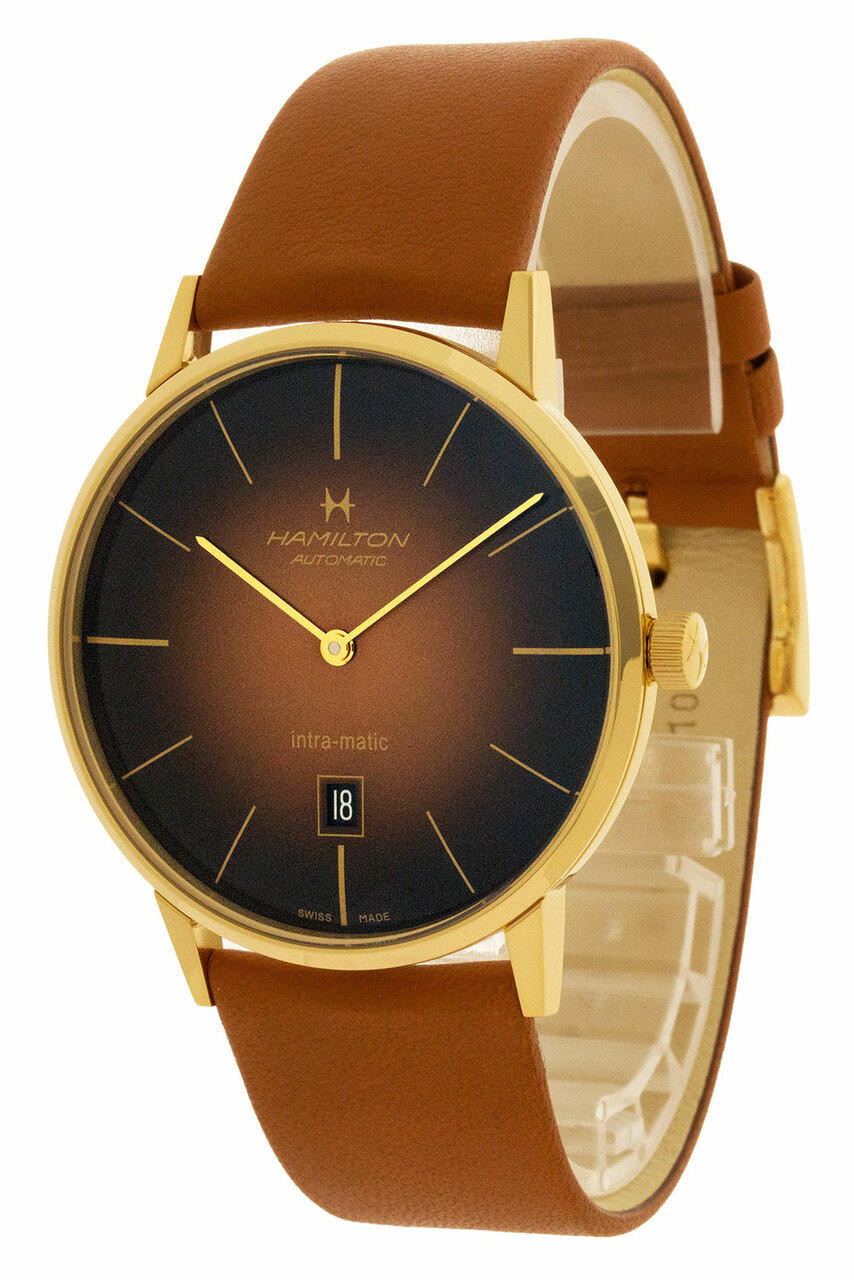
The Hamilton Jazzmaster Inter-Matic is a fine example. Hamilton has a storied American history now under the Swatch Group umbrella, and its watches frequently feature robust automatic movements with impressive power reserves. The Inter-Matic draws on vintage design cues with its warm brown dial and clean proportions, delivering the kind of understated elegance that ages gracefully both aesthetically and in terms of desirability.
Hamilton watches
HAMILTON Jazzmaster Inter-Matic 42MM Brown Dial Men's Watch H38735501
Watches like this tend to find enduring demand on the secondary market because enthusiasts recognize the value proposition: Swiss mechanical watchmaking at a price point that's accessible rather than aspirational. You're not going to double your money, but you're buying something with genuine substance and a design that won't feel dated in a decade—two qualities that quietly support resale value.
Practical Advice for Buying With Value in Mind
If value retention genuinely matters to you, a few principles will serve you well. First, favor brands with deep horological heritage over those whose reputation is primarily fashion-driven. The secondary market consistently rewards watchmaking credibility. Second, lean toward iconic, time-tested designs rather than trend-chasing models, since classic aesthetics age far better than fashionable ones.
Condition and completeness matter enormously too. Keep your box, papers, warranty cards, and any extra links or straps. A watch sold "full set" commands noticeably more than the same watch sold bare. Service history and overall condition can swing resale value substantially, so care for your watch and keep records of any maintenance.
Perhaps most importantly, buy from authorized dealers. Authenticity, proper warranty coverage, and verified provenance all contribute to resale confidence—and they protect you from the growing problem of counterfeits and gray-market pitfalls. At Watch Warehouse, with more than twenty-five years as an authorized dealer, we've always believed that buyers make better decisions when they understand what they're actually getting, both as a timepiece and as an asset.
So, Do Luxury Watches Hold Their Value?
The truthful answer is: some do, most don't, and the ones that appreciate significantly are the exception rather than the rule. Treating watches primarily as investments is a strategy best left to specialists who understand the market's quirks and are prepared to accept its risks. For everyone else, a healthier framing is to buy watches you genuinely love from brands with real substance, recognizing that a good purchase often retains respectable value while giving you years of enjoyment in the meantime.
That combination—pleasure now, reasonable value later—is the most reliable return a watch can offer. Chase that, rather than speculative gains, and you'll rarely regret a purchase. The best investment watch, in the end, is usually the one you actually want to wear every day.
Featured Watches to Consider
Here are some examples from the Watch Warehouse collection that illustrate the points discussed above:
TAG Heuer Watches
TAG HEUER Formula-1 Chronograph Rubber Men's Watch CAZ1010.FT8024
Gucci watches
GUCCI Dive 45MM SS BLK Matte Dial Rotating Bezel Men's Watch YA136208A
Hamilton watches