Posted by Watch Warehouse on Sep 23, 2026
Dress Watch vs Sport Watch: Which Belongs on Your Wrist?
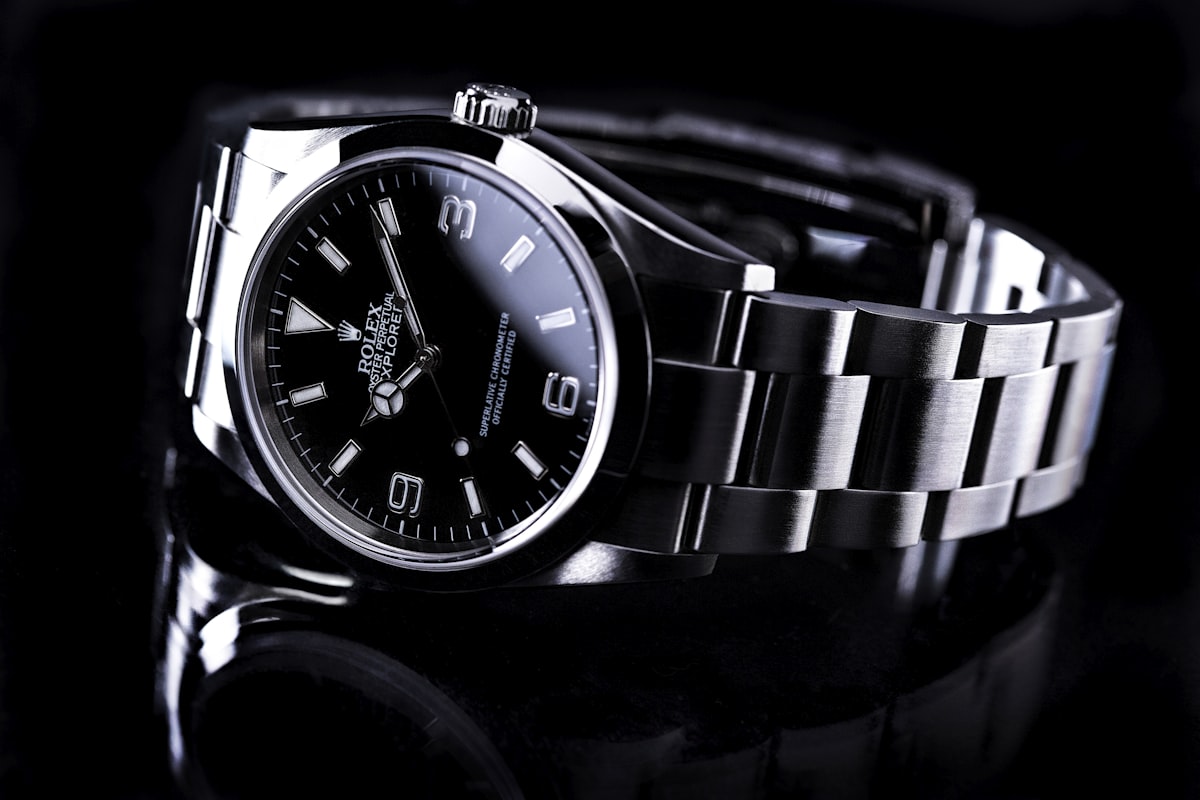
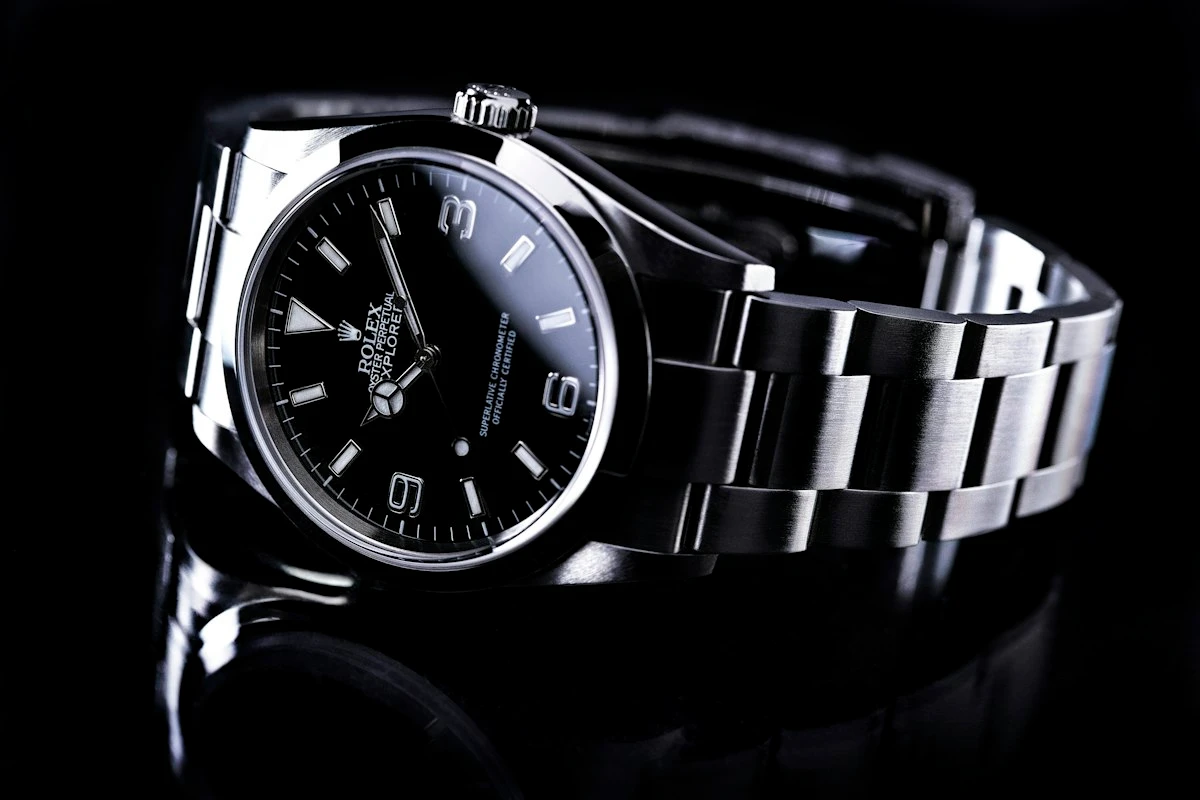
Have you ever stood in front of your closet, dressed for an occasion, and realized the watch on your wrist felt somehow wrong for the moment? Maybe it was a chunky diver paired with a tailored suit, or a slim, elegant piece struggling to match a weekend of hiking and errands. That small moment of dissonance points to one of the most practical questions in horology: when should you reach for a dress watch, and when does a sport watch make more sense?
The distinction between these two categories isn't about which is better—both have their place, and many watch enthusiasts happily own several of each. Understanding the differences, and more importantly the reasoning behind them, helps you build a collection that actually serves your life rather than gathering dust in a drawer. Let's walk through what separates these styles and how to choose the right one for you.
What Actually Defines a Dress Watch?
A dress watch, at its core, is designed to disappear. Its purpose is to complement formal attire without drawing attention to itself, sliding neatly under a shirt cuff and offering a quiet nod to refinement. The classic dress watch is thin—often under 10 millimeters in case thickness—so it doesn't create a bulge beneath your sleeve. Case diameters tend to stay modest, traditionally between 34 and 40 millimeters, though preferences have shifted slightly larger in recent years.
Beyond dimensions, dress watches favor simplicity. You'll typically find clean dials with minimal complications, often nothing more than hours, minutes, and perhaps a small seconds subdial. Roman or slim baton hour markers, a lack of a rotating bezel, and a leather strap—usually in black or brown—round out the formula. The materials lean toward precious or polished metals, and legibility is achieved through elegance rather than bold contrast.
The philosophy here matters. A dress watch signals that you understand restraint, that you value craftsmanship expressed through subtlety. It's the horological equivalent of a well-cut suit: you notice the quality without any single element shouting for attention.
What Makes a Sport Watch Different?
Sport watches were born from function. Whether designed for diving, aviation, motorsport, or field use, these timepieces prioritize durability, legibility, and specific capabilities over quiet elegance. Where a dress watch whispers, a sport watch is comfortable speaking up. Thicker cases, water resistance measured in hundreds of meters, luminous hands and markers, and robust bracelets or rubber straps are all hallmarks of the genre.
Consider the dive watch, one of the most recognizable sport categories. A rotating bezel lets divers track elapsed time underwater, while high water resistance and a screw-down crown keep moisture out. These features serve real purposes, even if most owners never actually descend below the surface. The Gucci Dive is a good example of how a fashion-forward house interprets this rugged template, pairing a 45mm stainless steel case with a matte black dial and a functional rotating bezel.

Gucci watches
GUCCI Dive 45MM SS BLK Matte Dial Rotating Bezel Men's Watch YA136208A
The appeal of sport watches goes beyond their technical specifications. They carry a sense of adventure and capability, and their bolder presence makes them versatile companions for casual and active lifestyles. A well-made sport watch feels like a tool you can trust, which is exactly why so many people gravitate toward them as everyday wear.
How Do You Match a Watch to the Occasion?
The traditional rules are straightforward, even if modern style has loosened them. Formal settings—black-tie events, business meetings in conservative industries, weddings—call for a dress watch. The slim profile respects the tailoring of a suit or tuxedo, and the understated design keeps the focus where it belongs. A rugged diver, however capable, tends to clash with the sharp lines of formalwear.
Casual and active environments are where sport watches shine. Weekend outings, travel, outdoor activities, and relaxed office settings all welcome a more substantial, functional timepiece. The added durability and water resistance also make practical sense when you're not being precious about your surroundings. There's a reason people describe a good sport watch as something you can throw on and forget about.
That said, the middle ground has expanded considerably. Field watches, for instance, occupy a versatile space—rugged enough for everyday adventures yet clean enough to pass in many casual professional settings. The Hamilton Khaki Field King captures this beautifully with its automatic movement, legible dial, and military heritage, all in a package that transitions easily between contexts.
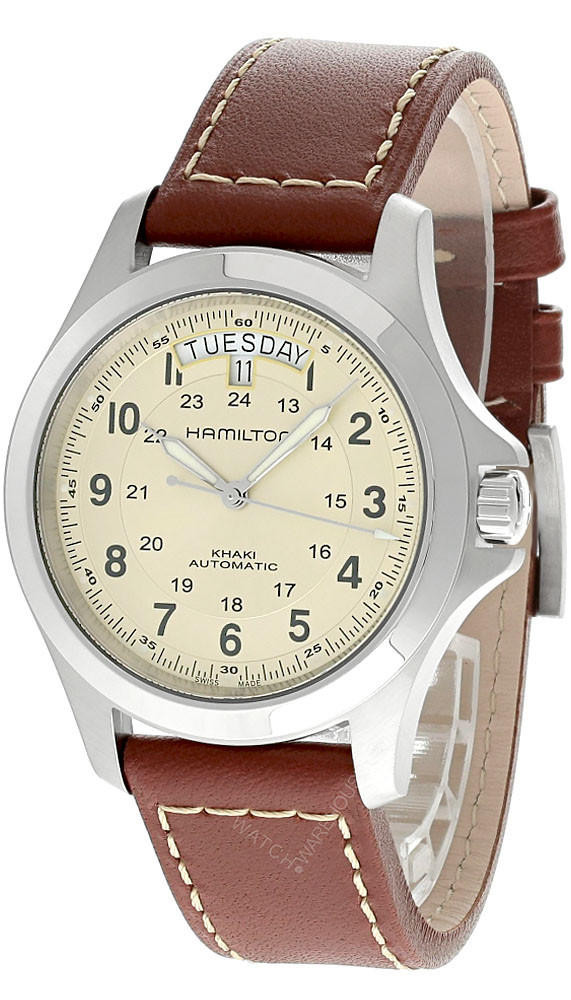
A field watch like this illustrates an important truth: the line between categories isn't always sharp. Many of the most useful watches live in the space between formal and sporty, giving you flexibility without demanding a large collection. If you can only own one or two watches, pieces with this kind of range deliver tremendous value.
Does Watch Size and Strap Choice Really Matter?
Absolutely, and these details often make the difference between a watch that works and one that doesn't. Case size affects both how a watch wears on your wrist and how appropriate it feels for a given setting. Smaller cases read as more formal and refined, while larger cases lean sporty and casual. If you have slimmer wrists, an oversized sport watch may overwhelm your proportions, whereas a modest dress watch might look lost on a larger wrist.
Strap choice is equally powerful, and it's one of the easiest ways to shift a watch's character. A leather strap dresses a watch up, while a steel bracelet or rubber strap pushes it toward the sporty end. Some watches are surprisingly adaptable—swap a diver's bracelet for a leather or NATO strap and you've meaningfully changed its personality. This is worth remembering if you want to stretch the versatility of a single timepiece.
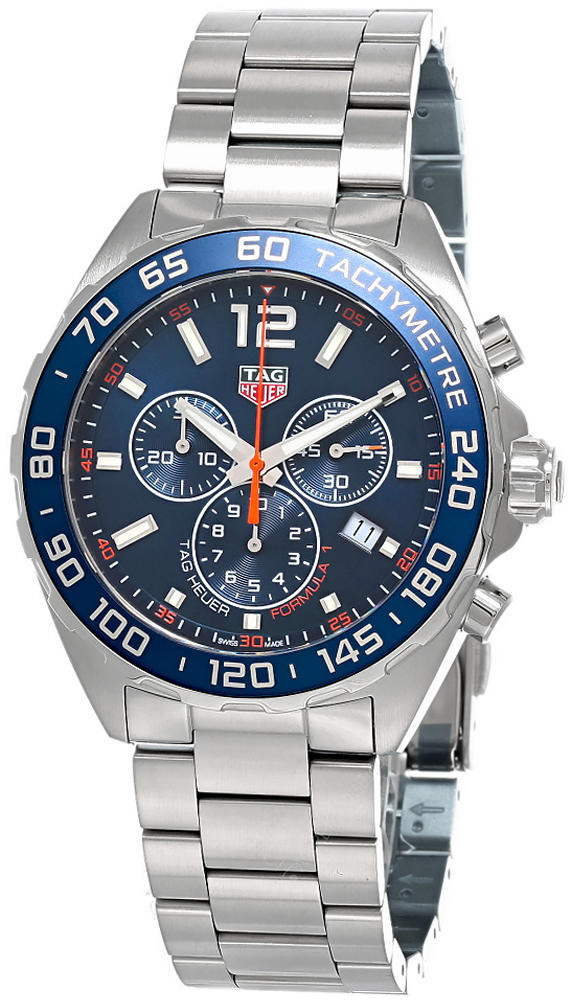
Color plays into this as well. Dark, monochromatic dials and cases tend to read more formally, while bright colors, bold contrasts, and multiple subdials signal a sportier intent. A chronograph, for example, immediately communicates a more energetic, function-driven aesthetic. The TAG Heuer Formula-1 Chronograph, with its blue dial and racing-inspired heritage, is a clear example of how sport watches embrace complexity and visual energy rather than hiding it.
TAG Heuer Watches
TAG HEUER Formula-1 Chronograph Blue Dial Men's Watch CAZ1014.BA0842
A chronograph like this rewards those who appreciate a watch with visual interest and functional depth. It's not trying to hide under a cuff—it's meant to be seen and enjoyed, and it pairs naturally with casual and smart-casual wardrobes. Understanding this intent helps you appreciate why it looks and feels so different from a minimalist dress piece.
Which Should You Buy First?
If you're building a collection from scratch, the honest answer depends on your life. Think about where you actually spend your time. Someone who attends frequent formal events or works in a traditional professional environment may benefit most from starting with a quality dress watch. Someone whose days are filled with casual settings, travel, and activity will get far more use from a versatile sport or field watch.
For many people, a single versatile watch that leans slightly sporty offers the best starting point, because it covers more of everyday life. From there, adding a proper dress watch fills the gap for formal occasions. The goal isn't to own the most watches but to own the right ones for how you actually live—pieces you'll reach for again and again rather than admiring from a distance.
It's also worth remembering that personal taste ultimately trumps any rulebook. The traditional guidelines exist to help, not to constrain. If a slightly larger sport watch brings you genuine joy every time you glance at your wrist, that satisfaction matters more than rigid convention. Watches are personal objects, and the best one is the one you love wearing.
Finding the Right Balance for Your Collection
The dress watch versus sport watch question isn't really an either-or proposition—it's about understanding what each style does well and matching those strengths to your needs. Dress watches offer timeless elegance and quiet refinement for formal moments, while sport watches deliver durability, function, and everyday versatility. Most seasoned collectors eventually own examples of both, appreciating how different watches suit different chapters of their days and lives.
If you're weighing your options and want to see how these styles feel in person, the team at Watch Warehouse has spent more than 25 years helping people find timepieces that genuinely fit their lifestyle and taste. Whether you lean toward the understated grace of a dress watch or the confident capability of a sport model, the right choice is the one that feels natural on your wrist and right for the life you lead.
Featured Watches to Consider
Here are some examples from the Watch Warehouse collection that illustrate the points discussed above:
Gucci watches
GUCCI Dive 45MM SS BLK Matte Dial Rotating Bezel Men's Watch YA136208A
TAG Heuer Watches